The Strategic Convergence of Congress and Trinamool Congress in National Politics
Decades after a bitter ideological split, the political dynamics between Mamata Banerjee and the national opposition are realigning under severe electoral pressures. The shifting calculus reflects an urgent mutual necessity to counter ruling party dominance as regional equations undergo profound transformations.
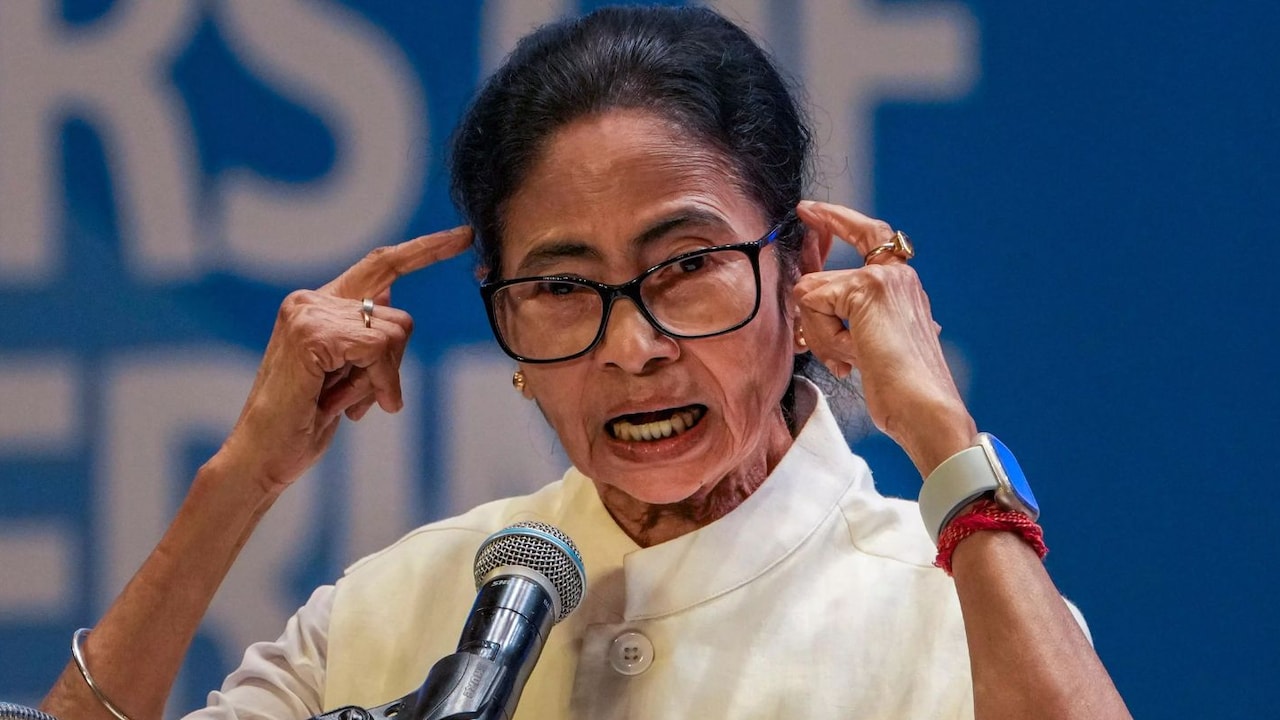
Founded nearly three decades ago out of an explicit rejection of national party leadership, the Trinamool Congress now finds itself navigating an existential political climate that demands pragmatic rapprochement. Mamata Banerjee and her national counterparts are quietly exploring collaborative frameworks to consolidate anti-incumbency votes across critical electoral arenas. This ideological turnaround underscores the ruthless pragmatism required to survive in a rapidly centralizing political ecosystem where regional satraps face unprecedented federal pressure. The underlying friction stems from deep-seated historical grievances and local turf wars between state-level cadres who spent decades fighting each other for electoral supremacy. National leaders must balance the ambition of local units in West Bengal with the broader imperative of building a unified national front against ruling coalitions. This delicate balancing act creates severe internal dissent, as regional leaders fear losing their distinct identity and local dominance by aligning too closely with national apparatuses. Downstream casualties of this evolving alliance include smaller regional factions forced to choose sides or face political obsolescence in a polarized binary contest. The tangible outcome of this realignment will redefine seat-sharing negotiations in upcoming legislative battles, altering the arithmetic of parliamentary opposition. Winners and losers will be determined by whether this forced marriage of convenience can translate into disciplined ground-level vote transfers without alienating core local constituencies.
Comments 0