The Supreme Court Quietly Altered the Rules of Defence
The Supreme Court has revised its approach to alibi evidence, changing how courts may consider a defendant's account of where they were. The ruling could alter the burden of proof in serious cases while sharpening disputes over who must establish an innocent presence.
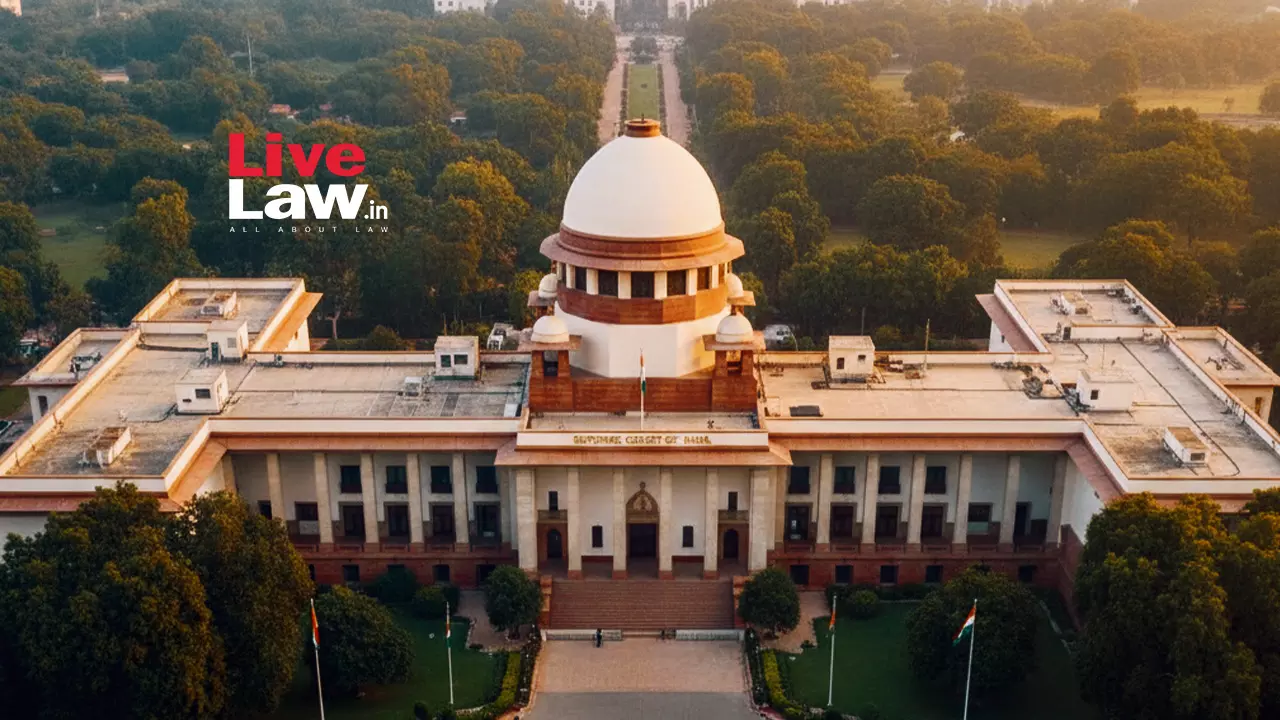
The Supreme Court has quietly changed the legal treatment of an alibi, an area where the defence of an accused person can depend on the credibility of witnesses and the reliability of location, timing and circumstance. By rewriting its approach, the court has moved beyond a familiar distinction between a positive defence and evidence that merely raises doubt. The practical result is that the manner in which an alibi is established may now carry consequences for cases that had appeared to turn on little more than evidential balance.
The underlying tension concerns the proper allocation of uncertainty in criminal justice. The prosecution must prove guilt, yet it must also do so beyond reasonable doubt. At the same time, a defendant cannot expect the court to accept an unverified denial of presence. The court's revised position is likely to generate friction where alibis conflict with other evidence, especially where the defence relies on witnesses whose statements are tested against digital records, timelines or inconsistent accounts. The rule's new emphasis will depend upon how precisely the judgment defines the necessary support.
The tangible outcome will be seen in trial practice, where defence lawyers must decide how much corroboration to build before presenting an alibi and how courts distinguish a credible account from a rehearsed denial. For defendants, the ruling may make some claims easier to advance but harder to sustain, shifting the cost of proving innocence more clearly onto the prosecution. For the wider legal system, the change is consequential because a doctrine governing alibis can determine whether disputed evidence is treated as a serious alternative to guilt or dismissed as mere obstruction. The decision therefore reaches beyond courtroom procedure into the limits of state power to establish responsibility.
Comments 0