The Supreme Court's Dismissal of the Airfare Plea and the Erosion of Consumer Trust
The Supreme Court of India has refused to grant an urgent hearing to a petition challenging a reported 700 percent surge in airfares during the Diwali season, a decision that has ignited public outrage and questions about judicial empathy. The bench's curt remark, suggesting travelers simply refrain from flying, highlights a growing disconnect between the judiciary and the economic realities faced by the middle class.
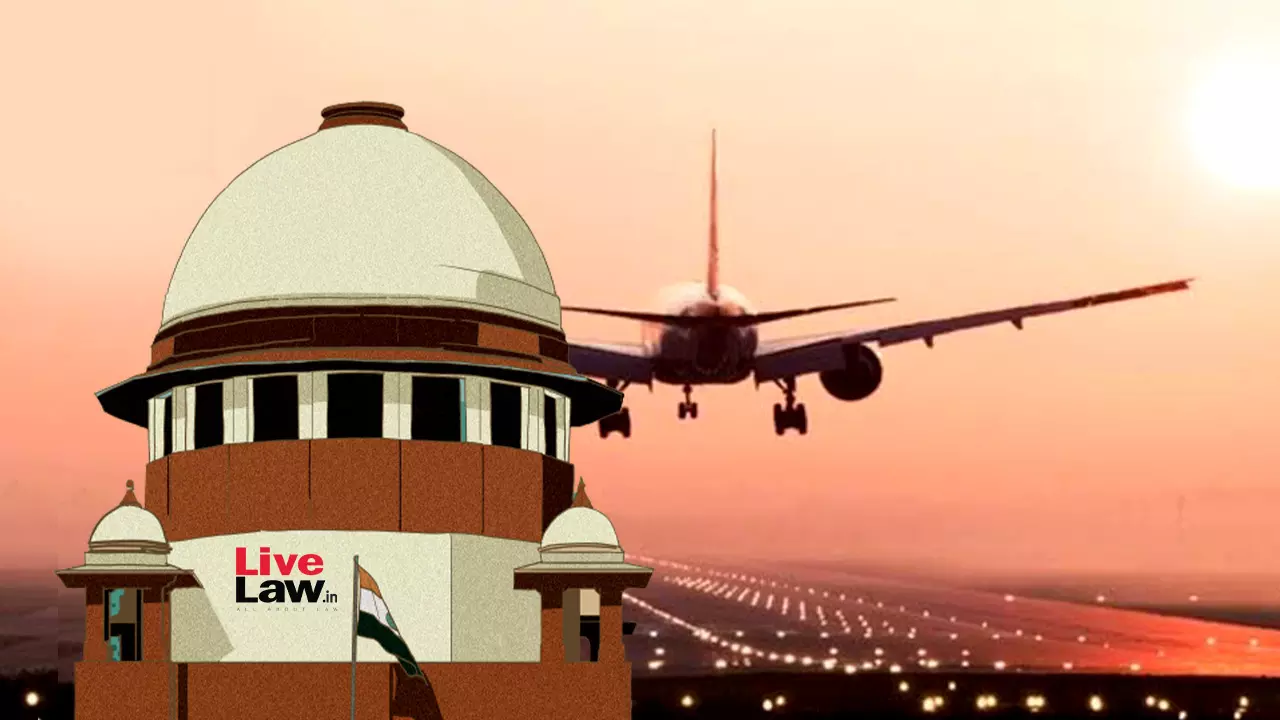
The concrete rupture in this narrative is the Supreme Court's refusal to list a petition for urgent hearing that alleged a drastic increase in air ticket prices ahead of the Diwali festival. The petitioner claimed that fares had risen by as much as 700 percent, making travel prohibitively expensive for the average citizen. The court's decision to dismiss the plea without a substantive hearing, accompanied by a remark that travelers could simply choose not to fly, has been widely perceived as dismissive of the genuine financial distress caused by such price hikes. This incident has sparked a national conversation about the accessibility of air travel and the role of the judiciary in protecting consumer interests against corporate pricing strategies.
The underlying tension here reflects a broader institutional friction between the regulatory framework for airfares and the market dynamics of the aviation industry. Airlines have increasingly adopted dynamic pricing models that allow for significant price fluctuations based on demand, often leading to exorbitant costs during peak travel seasons. The lack of a robust regulatory mechanism to cap such increases has left consumers vulnerable to price gouging. The Supreme Court's response, while legally defensible in the context of jurisdictional limits, has exacerbated public frustration with the perceived inaction of regulatory bodies like the Civil Aviation Authority of India in curbing such practices.
The downstream casualties of this decision are the millions of Indians who rely on air travel for business and family reunions during festive seasons. The inability to afford reasonable fares forces many to opt for longer, more expensive ground travel or to forgo travel altogether, impacting the tourism and hospitality sectors. This incident also erodes trust in the judicial system's capacity to address economic grievances, potentially leading to further public backlash and calls for legislative intervention to regulate airfare pricing. The long-term consequence may be a shift in public sentiment towards stricter government oversight of the aviation industry, with potential implications for airline profitability and investment.
Comments 0