The Voter Gap in Uttar Pradesh: A Demographic Challenge for the 2027 Elections
Only 23% of Uttar Pradesh's projected 18-19 year-olds are currently on the voter list, a significant gap that the state aims to address with the release of the draft electoral roll for the 2027 polls. The state has added 17 lakh voters since the last revision, but the low enrollment rate among young adults poses a challenge for political parties seeking to mobilize the next generation of voters.
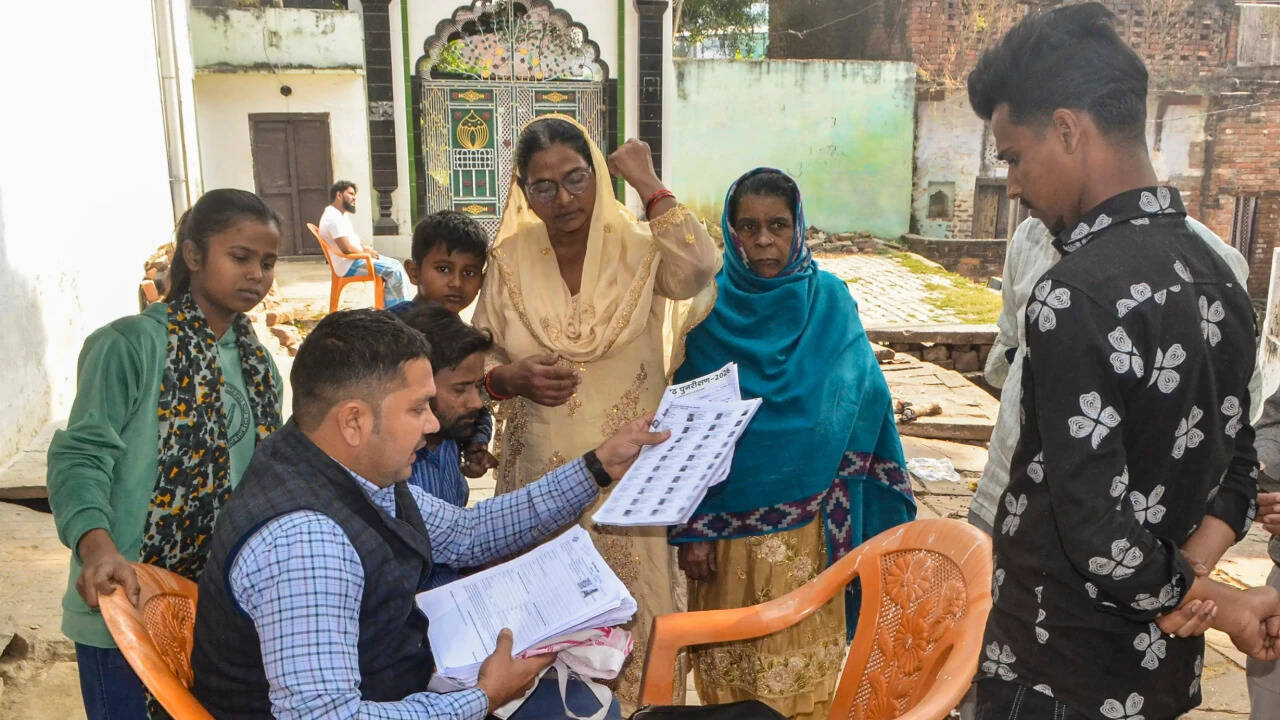
Uttar Pradesh, the most populous state in India, is facing a demographic challenge as it prepares for the 2027 elections. Data indicates that only 23% of the projected 18-19 year-old population is currently registered on the voter list. This low enrollment rate is a concern for political parties, who view young voters as a demographic for shaping the future of the state. The Election Commission of India has released the draft electoral roll, and the state has added 17 lakh new voters since the last revision. However, the gap between the projected population and the registered voters remains significant, highlighting the need for more aggressive voter registration drives.
The underlying tension in this issue is a disconnect between the political system and the younger generation. Many young people in Uttar Pradesh are disengaged from the political process, citing issues such as unemployment, lack of education, and dissatisfaction with the current government. This disengagement is reflected in the low voter registration rate, which suggests that many young people do not see the value in participating in the democratic process. Political parties are now scrambling to address this issue, launching campaigns to encourage young people to register and vote. However, these efforts face the challenge of overcoming deep-seated apathy and mistrust.
The downstream consequences of this voter gap could be significant for the 2027 elections. If the enrollment rate does not improve, the election may be dominated by older voters, who tend to have different political priorities than younger voters. This could lead to a mismatch between the policies of the elected government and the needs of the younger population. The tangible outcome is a potential shift in the political , with parties that successfully mobilize young voters gaining a significant advantage. This issue also highlights the need for broader reforms in the political system to make it more responsive to the concerns of the younger generation.
Comments 0