The Yamuna’s Concrete Cage: Delhi’s Rs 99 Crore Gamble
Delhi’s plan to enclose the Yamuna River with a massive concrete structure has triggered fierce opposition from environmentalists and urban planners. The project threatens to accelerate ecological collapse in the National Capital Region while promising a symbolic, if fragile, victory over flooding.
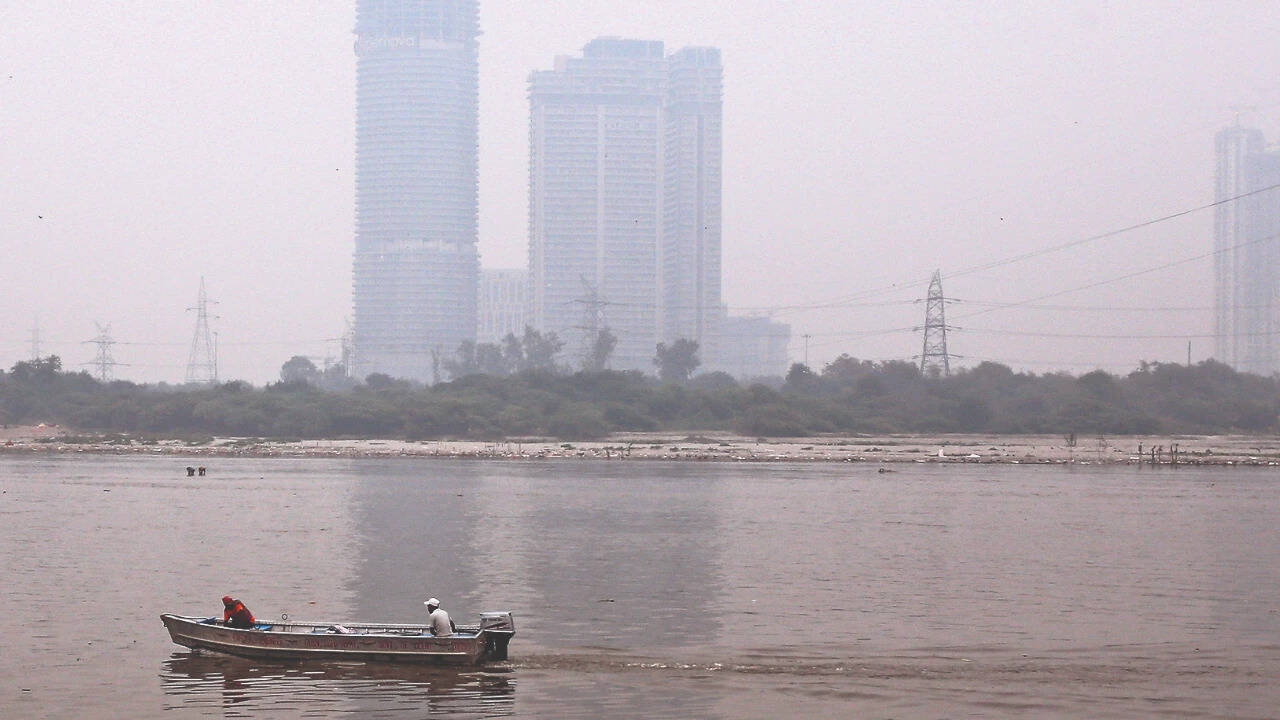
The decision to box in the Yamuna with a Rs 99 crore concrete barrier represents a stark departure from traditional flood management strategies in the National Capital Region. Rather than restoring the river’s natural floodplains or enhancing drainage infrastructure, the government has opted for a rigid, engineered containment system. This approach treats the river as an adversary to be subdued rather than a dynamic ecosystem to be managed, reflecting a deep institutional preference for visible, tangible infrastructure over subtle, long-term ecological restoration. The immediate shockwave is a surge in public anxiety, as residents and experts alike question the structural integrity of such a barrier against the unpredictable fury of monsoon surges.
The underlying tension stems from decades of failed urban planning in Delhi, where the river has been progressively narrowed, polluted, and ignored. Institutional friction is evident in the clash between the Department of Water Resources, which favors hard engineering solutions, and environmental bodies that advocate for green infrastructure and wetland preservation. The political calculus is clear: a concrete wall offers a photographable achievement for the ruling administration, whereas the slow, invisible work of cleaning water and restoring forests yields no immediate electoral dividends. This friction has left the city’s water table critically depleted and its urban heat island effect intensifying, creating a feedback loop of environmental degradation that the new barrier does nothing to address.
The downstream casualties of this decision are already manifesting in the form of increased flood risk in low-lying areas that will now bear the brunt of any structural failure. The tangible outcome is a fragmented river ecosystem, where the natural flow of sediment and water is disrupted, leading to accelerated siltation upstream and erosion downstream. For the millions of Delhiites who depend on the Yamuna for drinking water, recreation, and spiritual significance, the project signals a further erosion of their connection to the river. The concrete cage may hold back water for a season, but it cannot hold back the systemic consequences of treating a living river as a mere conduit for urban waste.
Comments 0