‘Their fault? Unfurling Tricolour’: Abhijeet Dipke hits out as CJP leaders sent to 5-day judicial custody
Abhijeet Dipke criticized the authorities after leaders of the CJP were placed in five‑day judicial custody for allegedly unfurling the national flag in a restricted area. He argued that the police response was disproportionate to the act of raising the tricolour.
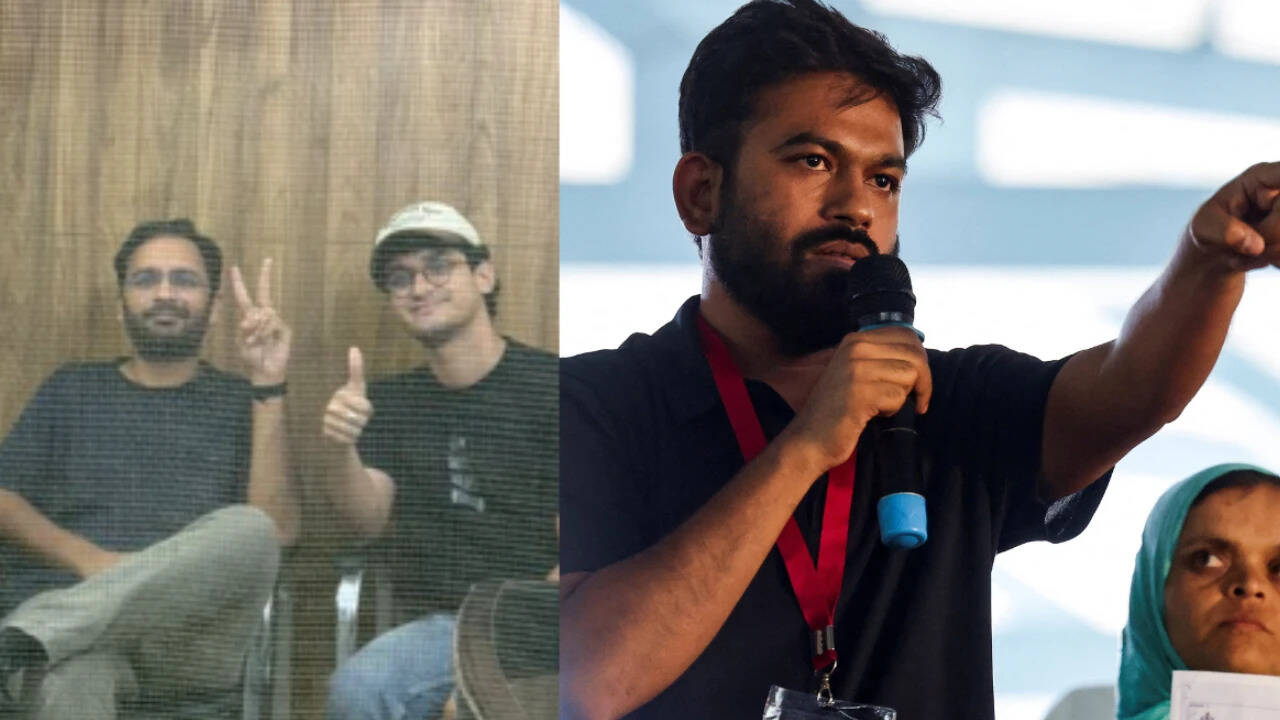
During a recent demonstration in Delhi, members of the CJP attempted to unfurl the Indian national flag at a location that is designated as a no‑fly and no‑display zone for official symbols. Police intervened, citing security protocols, and subsequently arrested several leaders, including the group's spokesperson, for violating the regulations. The detained individuals were sent to judicial custody for a period of five days, a move that has sparked debate over the appropriate use of law enforcement powers in handling symbolic protests.
Abhijeet Dipke, a prominent figure associated with the CJP, addressed the media and accused the authorities of overreacting to a peaceful act of patriotism. He emphasized that the flag was raised without any intention to incite violence and that the punitive measures taken against the leaders could deter citizens from expressing national pride in public spaces. Dipke called for a review of the incident, urging the police to consider the broader context and the symbolic significance of the flag in Indian society.
Legal commentators note that while the display of the national flag is protected under the Emblem and Flag of India (Protection) Act, there are specific guidelines governing where and how it can be used. The five‑day custody period reflects the seriousness with which the police view breaches of these rules, especially in high‑visibility areas. For readers across India, the case highlights the delicate balance between respecting national symbols and safeguarding the right to peaceful assembly, a balance that courts will likely examine in upcoming hearings.
Comments 0