Tiger Shroff Firing Case: Accused Remanded to Judicial Custody
The accused in the Tiger Shroff firing case has been remanded to judicial custody, marking a significant step in the legal proceedings surrounding the incident. This development underscores the seriousness with which the law enforcement agencies are treating the case and the potential implications for the actor's public image and career.
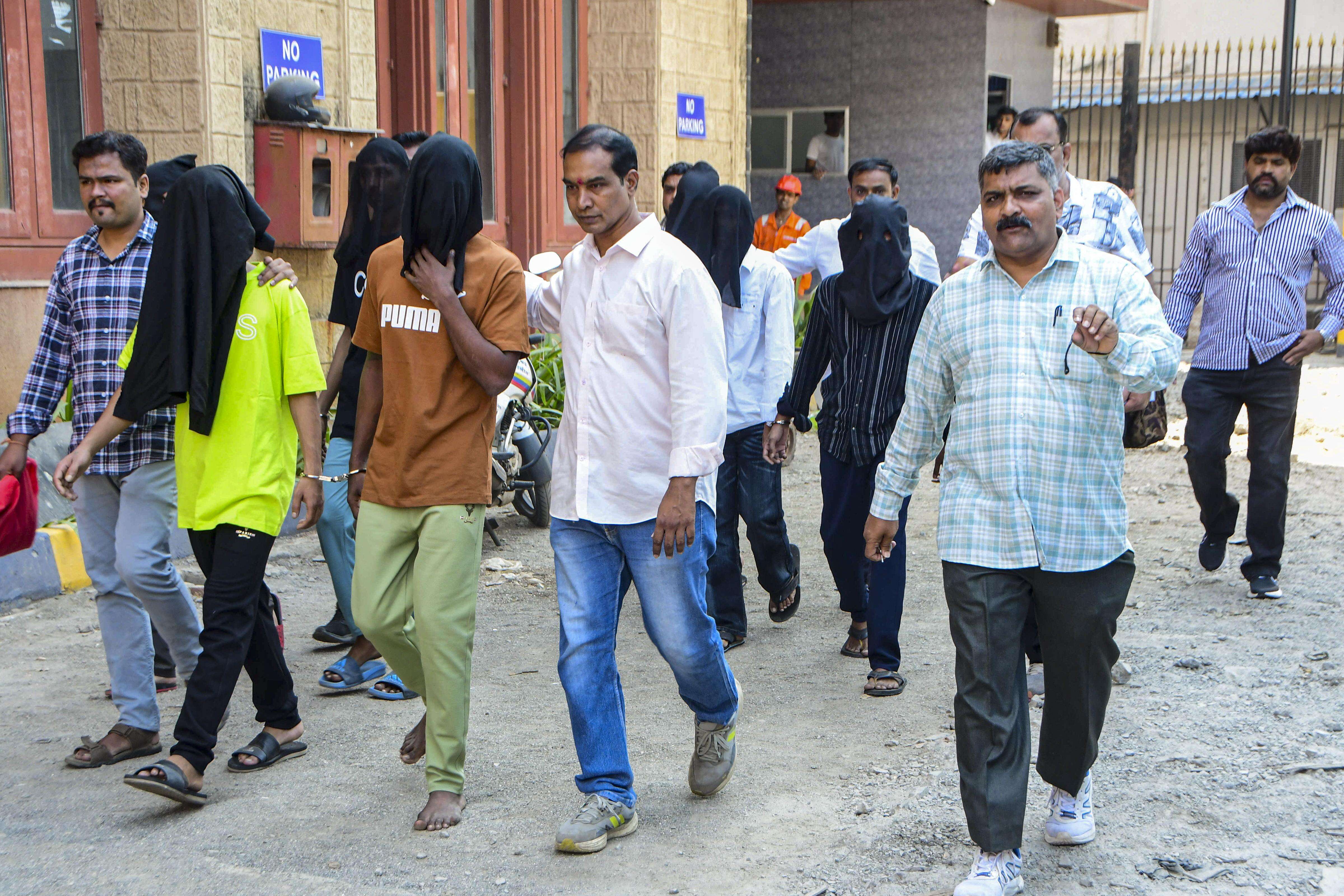
The concrete rupture is the formal judicial custody of the accused in the high-profile Tiger Shroff firing case. This move signals that the investigation has reached a stage where the evidence is sufficient to warrant continued detention, moving beyond initial police custody. The case has drawn significant public attention due to the involvement of a prominent Bollywood actor, and the judicial process is now taking center stage. The remand to judicial custody ensures that the accused is held in a secure facility under the supervision of the court, pending further investigation and trial.
The underlying tension is the intersection of celebrity status and legal accountability, where public perception often clashes with the impartiality of the judicial system. Institutional friction arises from the media scrutiny and public pressure that can influence the pace and nature of the investigation. The case highlights the challenges of maintaining a fair trial in the face of intense public interest, where every move by the accused and the prosecution is subject to widespread commentary. The legal system must navigate these pressures while upholding the principles of due process and justice.
The downstream casualties include the reputational damage to the actor and the potential impact on his career, as well as the broader public trust in the legal system's ability to handle high-profile cases impartially. The tangible outcome is a continued investigation, with the possibility of further charges or acquittal depending on the evidence presented. The 12-month consequence is likely to be a landmark judgment that sets a precedent for the handling of similar cases involving public figures, reinforcing the principle that no one is above the law.
Comments 0