Tiger Shroff Firing: CCTV Reveals Suspects' Flight to Surat
CCTV footage has exposed the route taken by suspects in the Tiger Shroff firing incident, showing them boarding a train in Surat. This development sharpens the focus on the logistics of the attack and the potential involvement of organized networks.
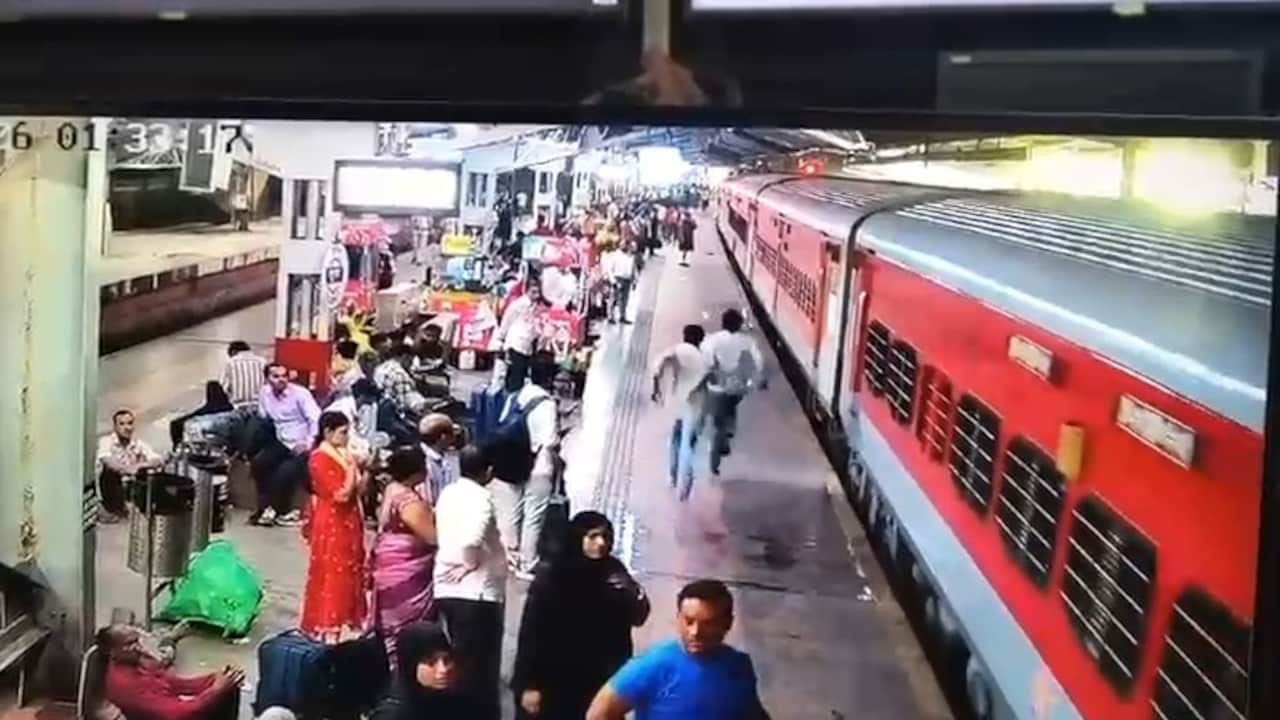
The investigation into the firing incident targeting actor Tiger Shroff in Mumbai has taken a significant turn with the release of CCTV footage. The images show three suspects, allegedly involved in the attack, arriving in Surat by road in a Maharashtra-registered taxi and subsequently boarding a train. This visual evidence provides a concrete trail of their movements, linking the incident in Mumbai to a broader network of activity in Gujarat. The immediate shockwave is one of heightened security and a renewed push by law enforcement to track down the individuals responsible. The footage serves as a critical piece of the puzzle, helping investigators reconstruct the timeline and identify potential accomplices.
The underlying tension in this case is not just about the attack on a celebrity but about the growing threat of targeted violence in India. The use of a Maharashtra-registered taxi to reach Surat suggests a level of planning and coordination that goes beyond a spontaneous act. This points to an institutional friction between law enforcement agencies in different states, as they work to share intelligence and coordinate their efforts. The case also highlights the vulnerability of public figures to such attacks, raising questions about the adequacy of security protocols. The political and social implications are significant, as the incident has sparked widespread concern and calls for stricter enforcement of laws against violence.
The downstream consequences of this development are likely to be far-reaching. For the suspects, the CCTV footage makes it increasingly difficult to evade capture, leading to a tangible outcome of increased pressure on the investigation. For the public, it serves as a reminder of the pervasive nature of crime and the need for vigilance. The long-term impact will be a strengthening of inter-state cooperation in law enforcement and a potential overhaul of security measures for high-profile individuals. The case will also fuel debates on the role of social media in spreading fear and the responsibility of platforms to curb misinformation.
Comments 0