Top Lashkar Commander Trapped In J&K, Cops Ask Him To Surrender On Video Call
Police in Jammu and Kashmir have located top Lashkar-e-Taiba commander Latief Bhat and have asked him to surrender via a video call. The request follows the killing of his associate Umar Nisar Dar in a recent encounter in Kulgam.
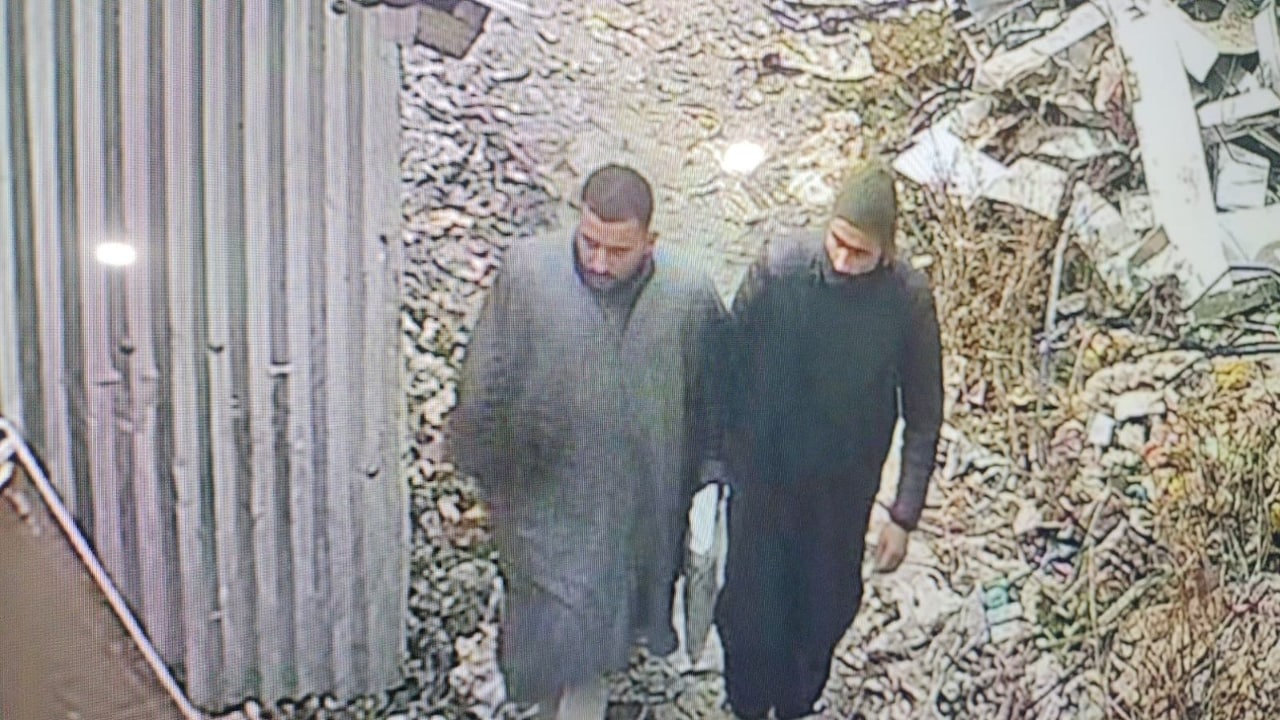
Leaders of the Pakistan-based militant group Lashkar-e-Taiba have long been a focus of Indian security agencies, especially in the contested region of Jammu and Kashmir. The group is known for carrying out attacks against Indian security forces and civilians, seeking to advance its agenda through violence. On Monday, police forces in the Kulgam district reported a gun-battle that resulted in the death of Umar Nisar Dar, identified as a close associate of senior commander Latief Bhat. The encounter was part of a broader sweep aimed at dismantling the network that supports cross-border infiltration.
Following the encounter, investigators traced electronic communications that led them to a location where Latief Bhat was believed to be hiding. Rather than launching a direct raid, the police opted to initiate a video call with the commander, a tactic intended to offer a peaceful surrender option while minimizing civilian risk. During the call, officers informed Bhat that he was surrounded, presented evidence of the recent killing of his associate, and urged him to lay down arms and submit to the legal process. The use of a video link reflects a growing preference for technology-driven de-escalation in counter-insurgency operations.
The request for surrender carries significant implications for security in the valley. If Bhat complies, authorities could secure valuable intelligence about Lashkar-e-Taiba’s logistics, recruitment and future plans, potentially preventing further attacks. Conversely, a refusal could lead to a larger confrontation, raising concerns among residents about collateral damage. Local leaders have welcomed the attempt at a non-violent resolution, emphasizing the need to protect civilian lives while upholding the rule of law. The episode also signals to other militants that the state is prepared to combine force with negotiation when circumstances allow.
Comments 0