Top U.S. Commander’s White House Visit Revives Debate Over Iran Strike Options
The unexpected meeting between the senior U.S. military leader and President Trump has reignited discussions about possible retaliation against Iran. Analysts warn that the dialogue could shift the administration’s calculus and pressure regional allies.
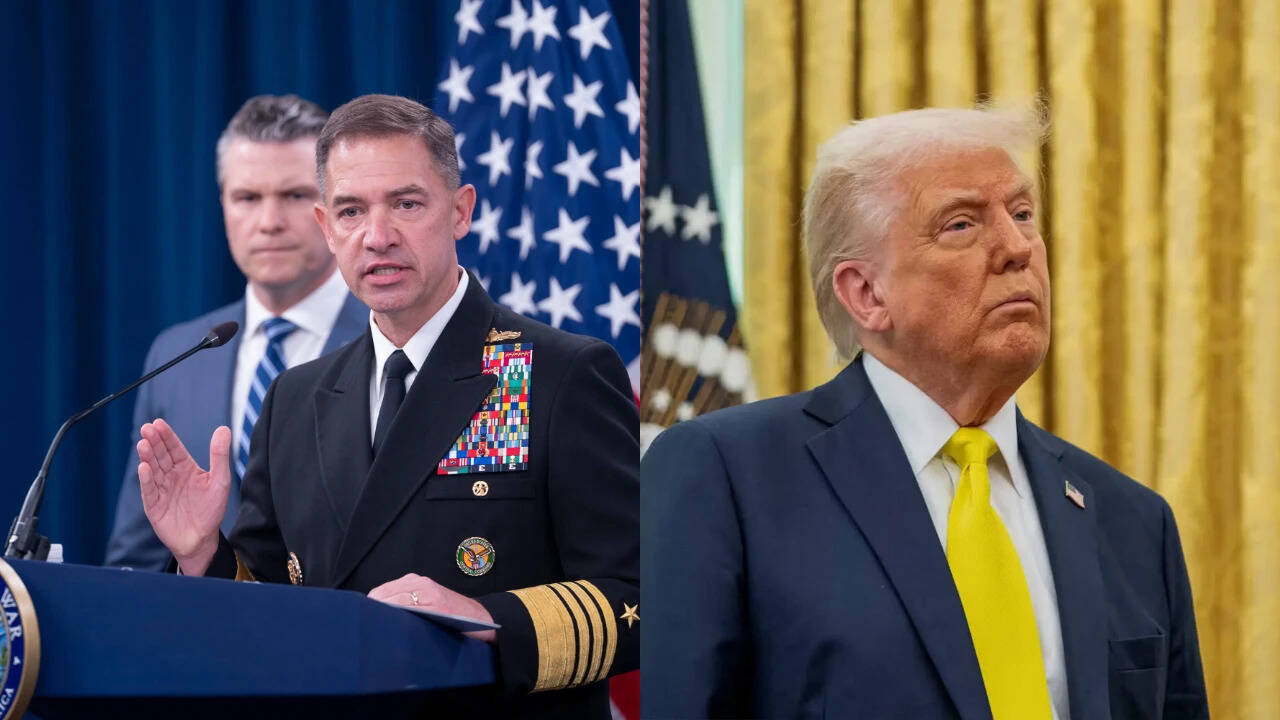
The White House hosted the highest‑ranking U.S. commander in a rare session that drew immediate attention from diplomatic circles worldwide. The encounter, occurring amid heightened tensions over Tehran's recent missile tests, signalled that Washington may be reassessing its strategic posture in the Middle East. Observers noted that the commander’s presence alone carries weight, as it often precedes a shift from verbal warnings to concrete military planning.
Inside the Oval Office, senior advisers debated the merits of a limited strike versus a broader campaign, weighing the potential fallout for oil markets, regional stability, and domestic political capital. The president, known for his decisive rhetoric, appeared receptive to counsel that a calibrated response could deter further aggression while avoiding a costly escalation. Critics argue that any move could embolden rival powers and destabilise fragile cease‑fire arrangements in Syria and Iraq.
The ripple effects are already evident: regional governments are reviewing their own defence postures, and markets have reacted with a modest rise in oil futures. International partners, including European capitals, have called for restraint, fearing that a U.S. strike could trigger a chain reaction of retaliatory actions. The episode underscores how a single high‑level visit can reshape geopolitical calculations across continents.
Comments 0