Town planning dept proposes 142 changes to DP for 9 merged areas in Pune municipal limits
The Pune town planning department has drafted 142 amendments to the Development Plan for nine areas that were recently merged into the municipal limits. The changes aim to align land use, infrastructure and service delivery with the city's growth objectives.
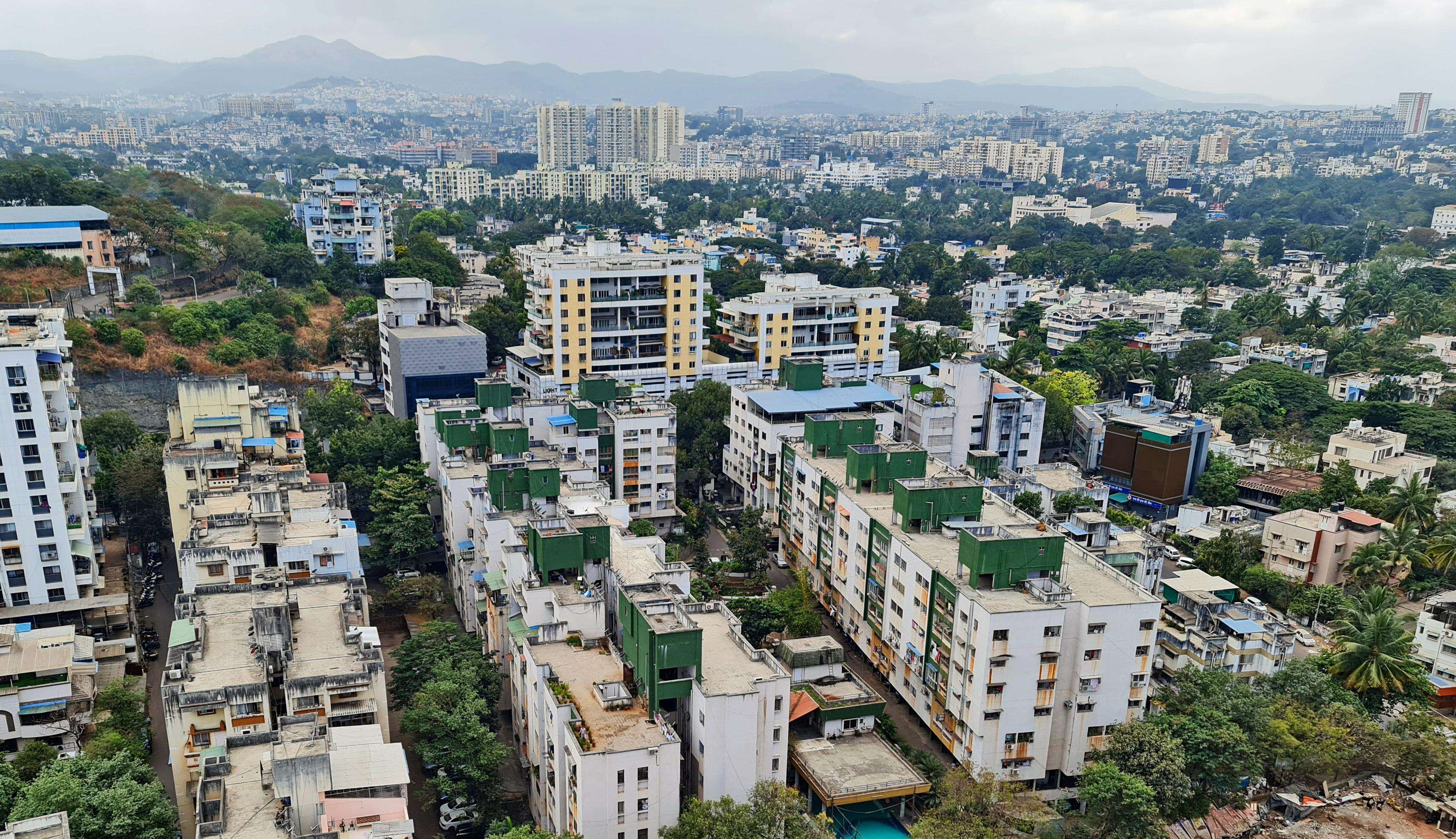
The town planning department of Pune released a detailed proposal that lists 142 specific amendments to the Development Plan, targeting nine zones that were incorporated into the city's jurisdiction during the latest boundary expansion. These zones include former villages and peripheral settlements that now fall under municipal governance, requiring a unified framework for zoning, road networks, water supply and waste management. The department's document outlines revisions to land‑use classifications, density limits, and public amenity provisions, seeking to create a consistent regulatory environment across the newly added territories.
The proposal will be placed before the municipal corporation and the state urban development authority for review, with a public hearing scheduled in the coming weeks. Residents, property owners and business groups have been invited to submit comments, and the department has pledged to incorporate feasible suggestions before final approval. The amendments also propose the creation of new green corridors, the upgrading of existing arterial roads, and the allocation of land for schools and health centres, reflecting the need to support a growing population while maintaining service standards.
For readers in India, especially those living in or near Pune, the changes could affect property values, construction approvals and daily commuting patterns. Aligning the Development Plan with the expanded city limits is intended to reduce administrative delays and improve the delivery of essential services. However, stakeholders will be watching closely to ensure that the revisions do not impose undue restrictions on affordable housing or overlook the needs of long‑time residents of the merged areas.
Comments 0