Trade Tensions Fracture the Foundations of the Eurasian Economic Union
Internal commercial disputes are actively destabilizing the Eurasian Economic Union as member states impose retaliatory trade barriers. This breakdown undermines Moscow regional economic hegemony while military resources remain concentrated in Ukraine.
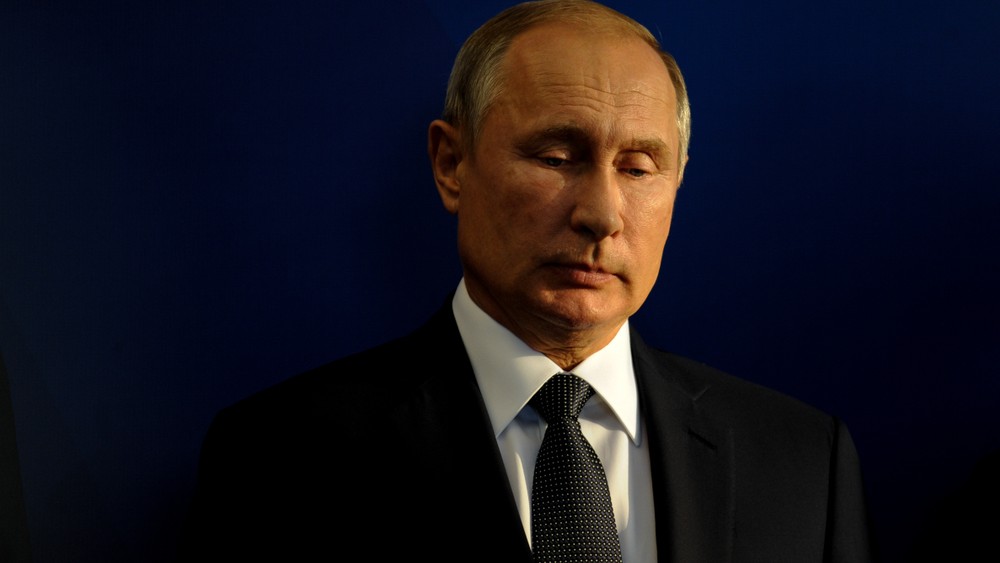
The ideological architecture of the Eurasian Economic Union has begun to buckle under the weight of competing national interests and protectionist impulses among its constituent republics. Designed originally as a cohesive counterweight to Western commercial blocs, the organization now operates as a theatre of recurring tariff wars and regulatory friction. Member states increasingly utilize non-tariff barriers to shield domestic industries, effectively neutralizing the core mandate of frictionless regional commerce. At the center of this institutional decay lies the shifting calculus of power projection from Moscow. As the Kremlin redirects administrative bandwidth and financial capital toward the military campaign in Ukraine, its capacity to arbitrate commercial disputes and subsidize regional allies has eroded sharply. Neighboring capitals perceive this preoccupation as an invitation to assert greater autonomy, routinely defying multilateral directives and pursuing bilateral trade arrangements that bypass the bloc's central bureaucracy. The tangible consequence of this commercial discord is the fragmentation of supply chains across Central Asia and Eastern Europe, imposing higher transactional costs on regional businesses. Small and medium enterprises, which were intended to be the primary beneficiaries of an expanded common market, now face unpredictable border delays and arbitrary compliance hurdles. Ultimately, this internal friction accelerates the diplomatic estrangement of member nations, leaving the trading bloc diminished both in economic utility and geopolitical coherence.
Comments 0