Tragedy from the Skies: A Fatal Relief Drop Underscores Bihar State Failure
An aerial emergency supply drop meant to alleviate severe flooding killed a local vendor in Saran district after striking him directly. The incident highlighted the stark operational clumsiness of state disaster management during extreme weather events.
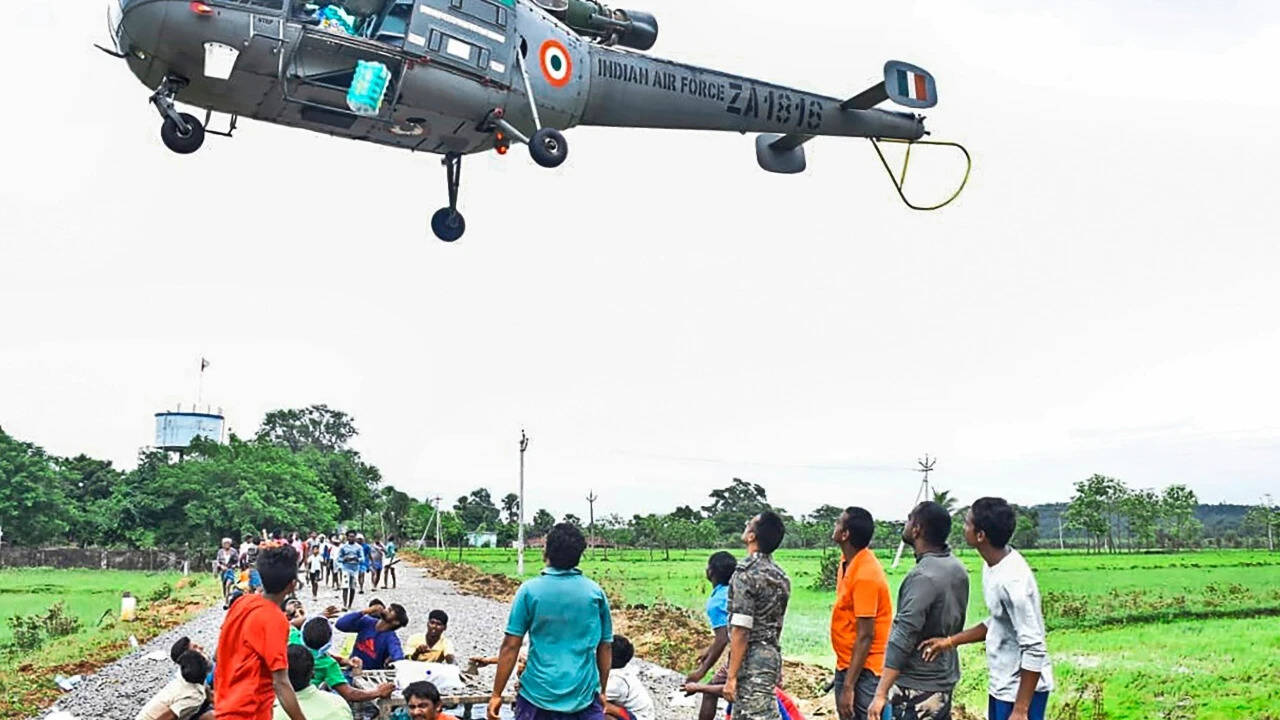
A humanitarian emergency operation in flood ravaged Bihar ended in tragedy when a high-velocity supply payload dropped from a military helicopter fatally struck a local street vendor in Saran district. Waiting crowds scattered as heavy food parcels descended without adequate drop-zone management, injuring several bystanders alongside the deceased. What was designed as life-saving state intervention revealed the brutal mechanics of uncoordinated emergency response. The incident illuminates the chronic institutional failure within regional disaster response frameworks, where high-profile relief distribution takes precedence over field execution protocols. Airborne logistics require strict ground clearings, trained crowd control teams, and controlled drop mechanisms. In their absence, public relief efforts morph into life-threatening hazards for desperate citizens stranded by rising floodwaters. Beyond the immediate tragedy inflicted on the victim's family, the incident has exposed structural flaws in Bihar's emergency services infrastructure. Disillusioned flood victims now approach relief drop zones with dread rather than hope, compounding community vulnerability. As public outrage mounts, district authorities face growing demands to abandon crude aerial drops in favor of organized amphibious supply routes.
Comments 0