Tragic High-Rise Suicide at Noida Airbnb Exposes Regulatory Voids in Short-Term Rentals
A twenty-eight-year-old man died by suicide after leaping from the forty-first floor of a Noida high-rise building while staying alone in a short-term rental apartment. The incident has ignited fierce public scrutiny regarding safety protocols and psychological screening requirements within commercial proptech platforms.
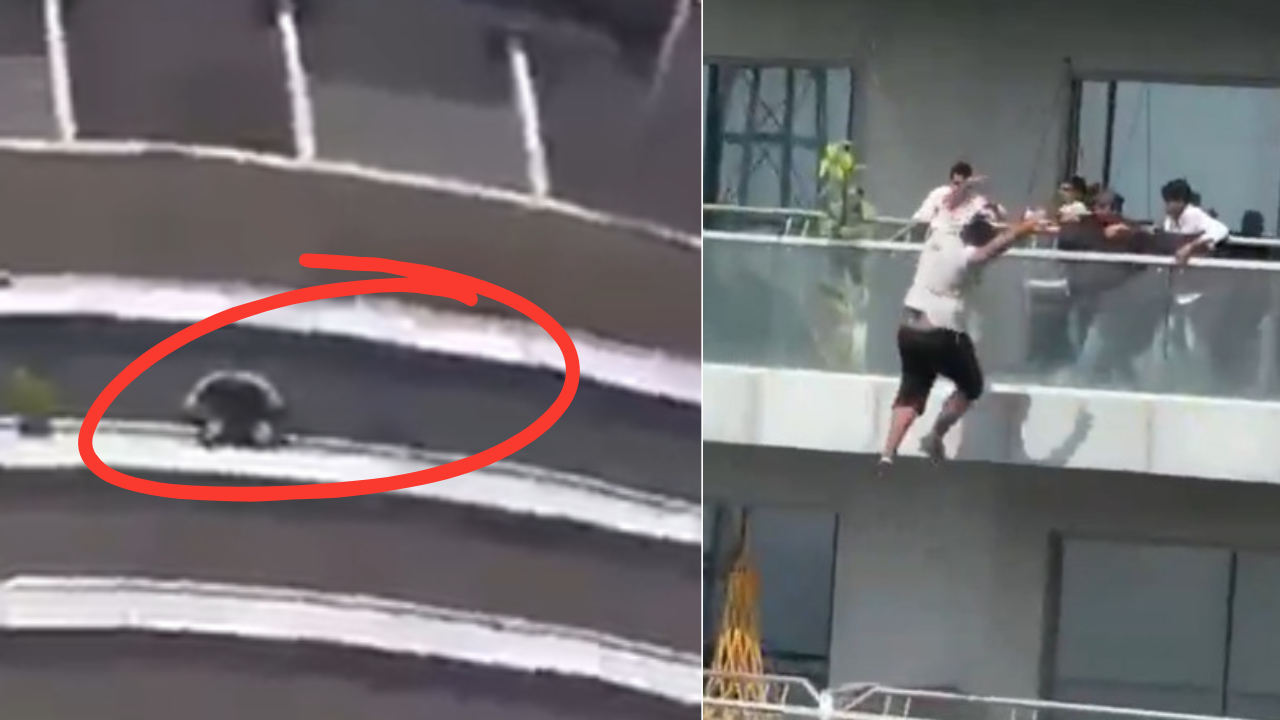
The urban residential of the National Capital Region was shaken by a fatal plunge from the upper reaches of a prominent Noida skyscraper, where the victim had rented a residential flat via an online property platform for a single day. Local police investigations revealed that the individual was suffering from acute psychological distress, spending hours alone in the high-altitude unit before the tragedy occurred. The incident places the spotlight squarely on the unchecked expansion of peer-to-peer short-term rentals in high-density residential towers. This tragedy exposes a glaring regulatory vacuum governing commercial hospitality operations inside private residential housing societies. Resident welfare associations have long protested the conversion of apartments into transient hotels, citing security risks, unauthorized visitor access, and the absence of basic mental health intervention safeguards. Proptech platforms operate with minimal liability regarding guest vetting or structural safety monitoring, creating friction between resident communities and digital entrepreneurs. The downstream consequence will be a tightening of security bylaws by residential welfare associations across northern Indian urban centers, restricting short-term rental operations through biometric entry barriers and mandatory tenant background checks. Real estate platforms will face increased legal accountability, forcing them to implement stricter host verification and emergency intervention protocols.
Comments 0