Transit Modernization in Maharashtra: National Common Mobility Cards Become Compulsory for Bus Commuters
The Maharashtra State Road Transport Corporation mandated the exclusive use of National Common Mobility Cards for senior citizens and women passengers starting October 1. This administrative shift aims to digitize public transit subsidies while imposing new compliance hurdles on vulnerable rider demographics.
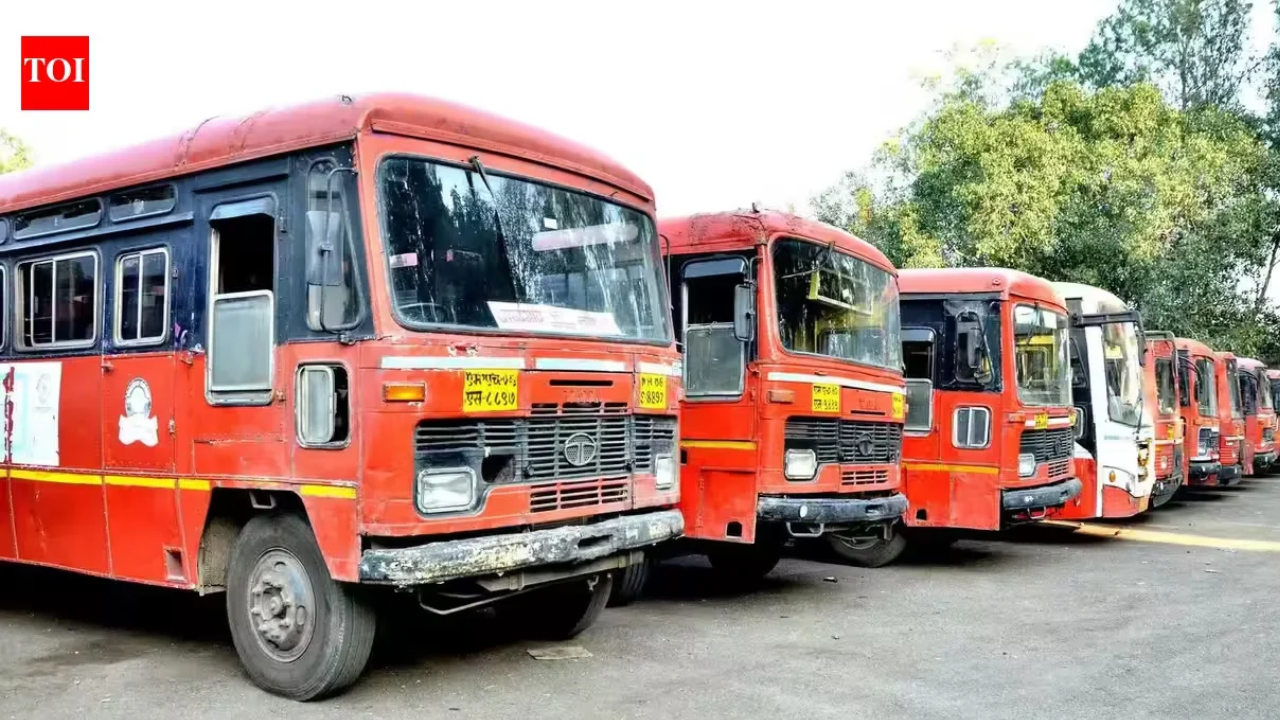
Public transit authorities in Maharashtra have drawn a sharp line toward digital governance by stripping away cash and legacy ticketing options for subsidized demographic cohorts. The enforcement of the National Common Mobility Card framework across state transport buses represents a decisive push toward centralized fare collection. Officials argue that smart cards eliminate revenue leakage and streamline state reimbursement tracking for subsidized travel schemes. Implementation, however, lays bare a profound digital divide among the millions of rural and elderly passengers who depend on state buses for daily mobility. Local community organizers point out that bureaucratic hurdles in acquiring and topping up these cards will disenfranchise citizens lacking digital literacy or smartphone access. The transition exposes friction between top-down administrative modernization and the practical realities of grassroots transit users. Immediate casualties include elderly and low-income commuters facing transit exclusion if they fail to navigate the mandatory registration protocols before the strict deadline. Over the medium term, transport corporations will successfully sanitize their accounting books, though initial ridership numbers in rural routes may experience a temporary dip due to compliance friction.
Comments 0