Trivial Dispute Turns Fatal in Capital Over Denied Matchbox
A minor verbal disagreement over a requested matchbox culminated in a fatal stabbing in a crowded residential alley of New Delhi. The tragedy exposes the frayed psychological fabric of urban neighborhoods grappling with chronic alienation and sudden violence.
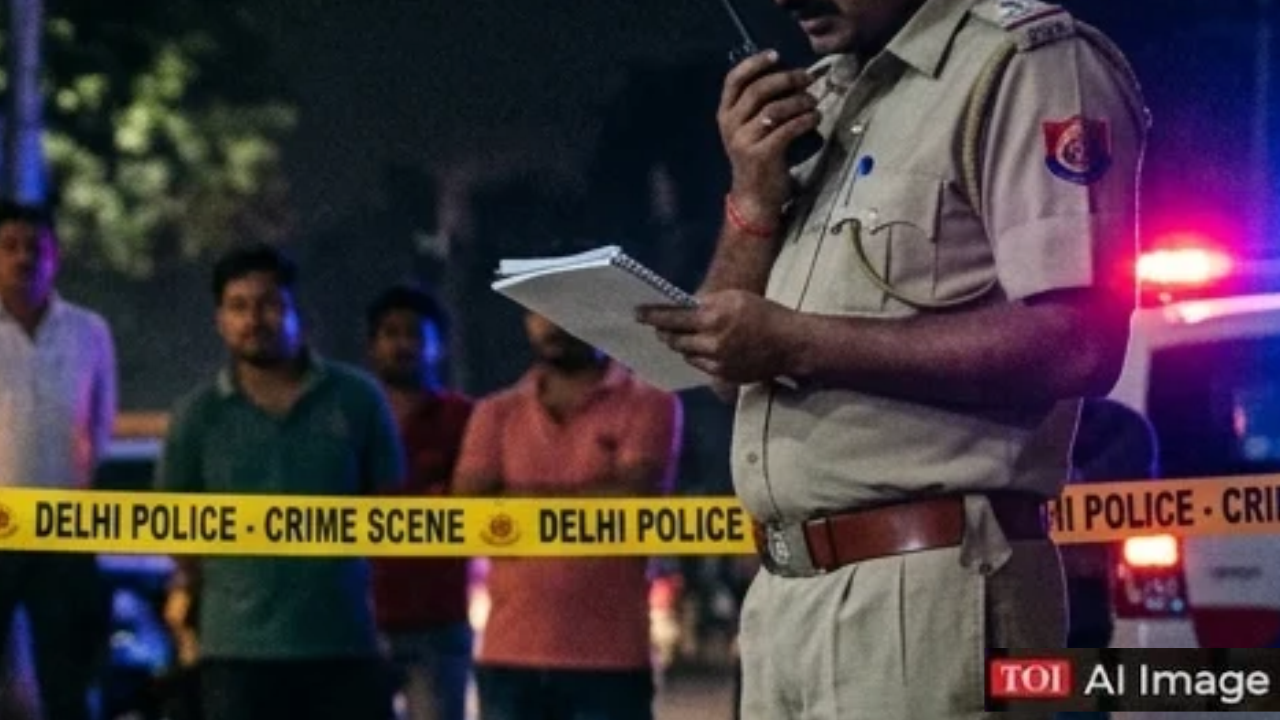
The confrontation took place in the narrow lanes of the capital, an environment characterized by dense housing and perpetual friction among transient laborers and local residents. A thirty-year-old man was approached for a light, and upon refusing the request, a heated argument erupted within seconds. The escalation from verbal abuse to lethal physical violence underscores an alarming volatility among urban youth residing in under-resourced districts. Local law enforcement arrived swiftly to secure the crime scene and apprehend the perpetrator, but the neighborhood response laid bare a profound sense of civic detachment. Bystanders proved reluctant to intervene during the altercation, reflecting a broader breakdown of community solidarity in high-density metropolitan zones. Police officials noted that petty grievances frequently mask deeper socioeconomic frustrations, transforming ordinary street corners into sites of sudden lethality. The immediate casualty is the life of a young wage earner, leaving dependents without financial support in an unforgiving urban economy. Systemically, the murder forces municipal authorities to confront the total absence of localized mental health resources and conflict resolution mechanisms in working-class enclaves. Without intervention, these isolated incidents will continue to erode the social cohesion of the capital's informal settlements.
Comments 0