Trump Justifies Escalation Against Iran
Former President Donald Trump defended a renewed military posture toward Iran, asserting that the United States did not initiate the conflict. His remarks have intensified diplomatic friction and prompted reactions from regional allies.
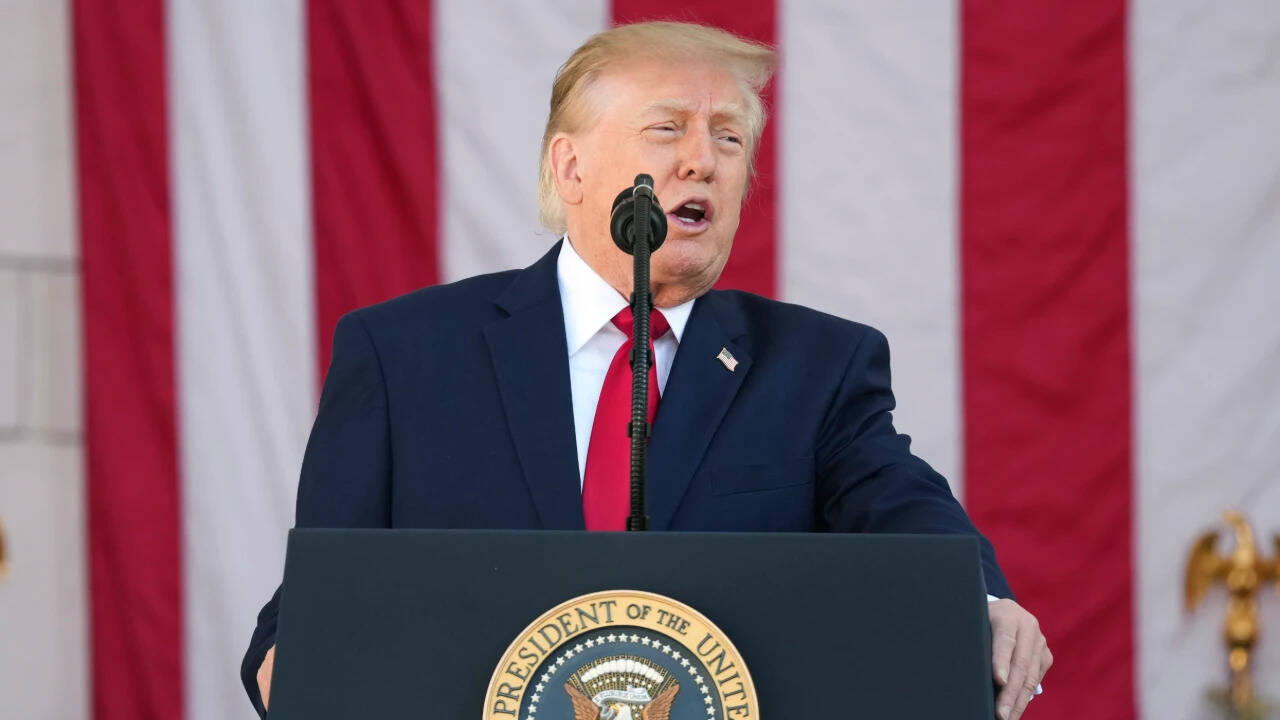
In a televised interview, Donald Trump asserted that the United States was responding to Iranian provocations rather than starting a new war, framing the stance as a necessary defence of American interests. He referenced recent missile tests and alleged support for proxy groups as evidence that Tehran posed an escalating threat. The commentary arrived as the United Nations convened a special session on Middle‑East security, where member states sought to de‑escalate tensions through diplomatic channels. Trump’s narrative has been echoed by certain congressional leaders who call for a robust deterrent posture.
The underlying tension stems from a long‑standing rivalry between Washington and Tehran, compounded by recent sanctions and cyber‑operations that have strained bilateral relations. Intelligence agencies in the United States have reported heightened Iranian activity in the Gulf, prompting debates within the Pentagon about the appropriate level of force. Regional partners, including Saudi Arabia and Israel, have welcomed Trump’s hardline tone, while European allies caution against actions that could destabilise oil markets and provoke civilian casualties.
The immediate fallout includes a surge in oil futures as traders price in the risk of supply disruptions, and a wave of diplomatic protests lodged by Iran at the United Nations. Military planners in the United States are reviewing contingency plans for potential strikes, while humanitarian organisations warn of the human cost of renewed hostilities. Over the next twelve months, the rhetoric may translate into a series of limited engagements that reshape the security architecture of the Persian Gulf.
Comments 0