Trump Orders DOJ to Prosecute Democratic Lawmakers in Unprecedented Partisan Strike
The President has directed the Department of Justice to open a criminal investigation into specific Democratic legislators, framing their actions as extortion at the highest level of state power. This move signals a decisive rupture in the separation of powers, transforming the federal prosecutor's office into an instrument of partisan retribution.
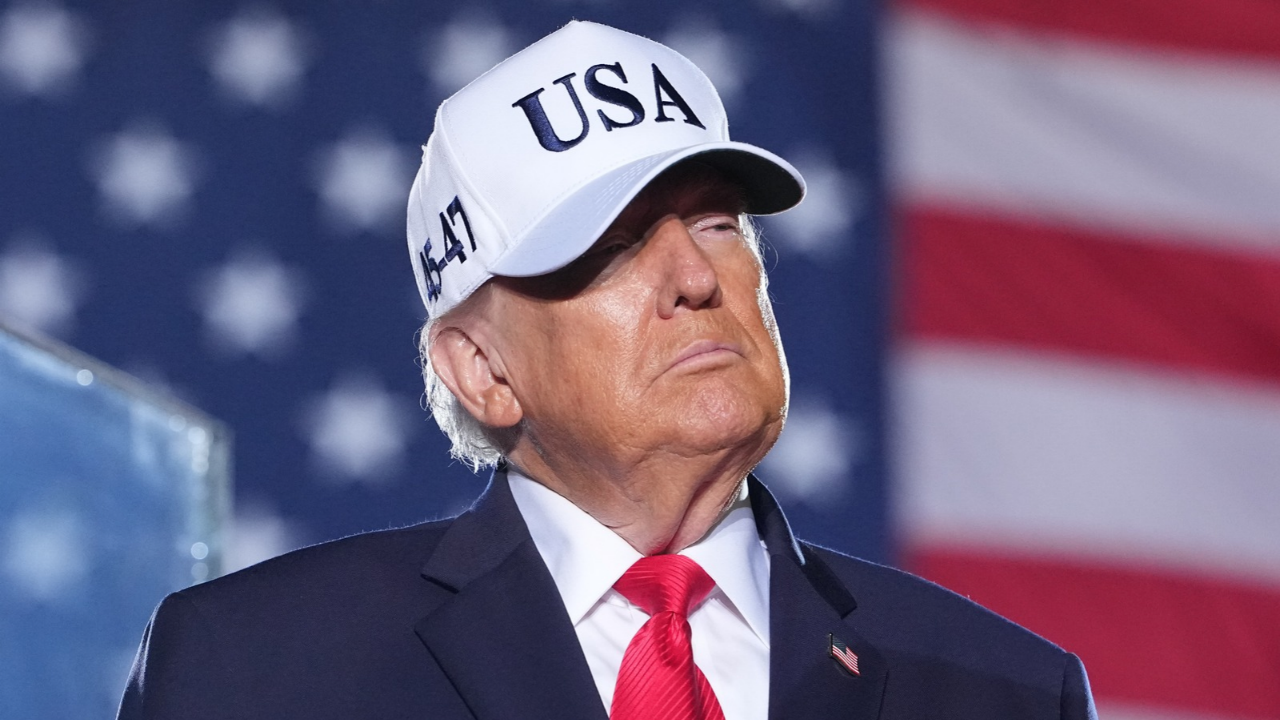
The concrete rupture in the American political order arrived not through legislation, but through an executive directive that bypasses the traditional checks and balances of the judicial system. By explicitly naming political opponents for criminal scrutiny, the administration has collapsed the distinction between policy disagreement and criminal liability. The Department of Justice, historically a body meant to uphold the rule of law impartially, is now being positioned as a weapon of political survival, forcing federal prosecutors to choose between their professional ethics and their loyalty to the White House.
The underlying tension stems from a long-standing institutional friction regarding the independence of the executive branch. For decades, the norm held that the DOJ would not investigate sitting members of Congress for their legislative activities, a principle designed to protect the integrity of the legislative process. The current administration has dismantled this norm, arguing that the actions of these lawmakers constitute a form of extortion that undermines the executive's ability to govern. This legal theory, while novel, provides a veneer of legitimacy to what critics describe as a naked power grab, creating a precedent where the leader of the majority party can effectively silence the opposition through the threat of imprisonment.
The downstream casualties of this decision are severe and immediate. The most tangible outcome is the chilling effect on legislative dissent, as lawmakers from the opposing party may now hesitate to challenge executive overreach for fear of personal legal jeopardy. Furthermore, the credibility of the American legal system is eroded in the eyes of international observers, who may now view US courts as extensions of the executive branch rather than independent arbiters of justice. This shift threatens to destabilize the very foundation of democratic governance, where the rule of law is perceived as a tool for the powerful rather than a shield for the vulnerable.
Comments 0