Trump's Endorsement of Netanyahu Reshapes Israeli Political Calculus
The explicit backing of a sitting prime minister by a US president introduces a new variable into the democratic process, effectively signaling to global markets and adversaries that the outcome is predetermined. This move consolidates the right wing's grip on power while isolating the opposition and complicating diplomatic efforts in the region.
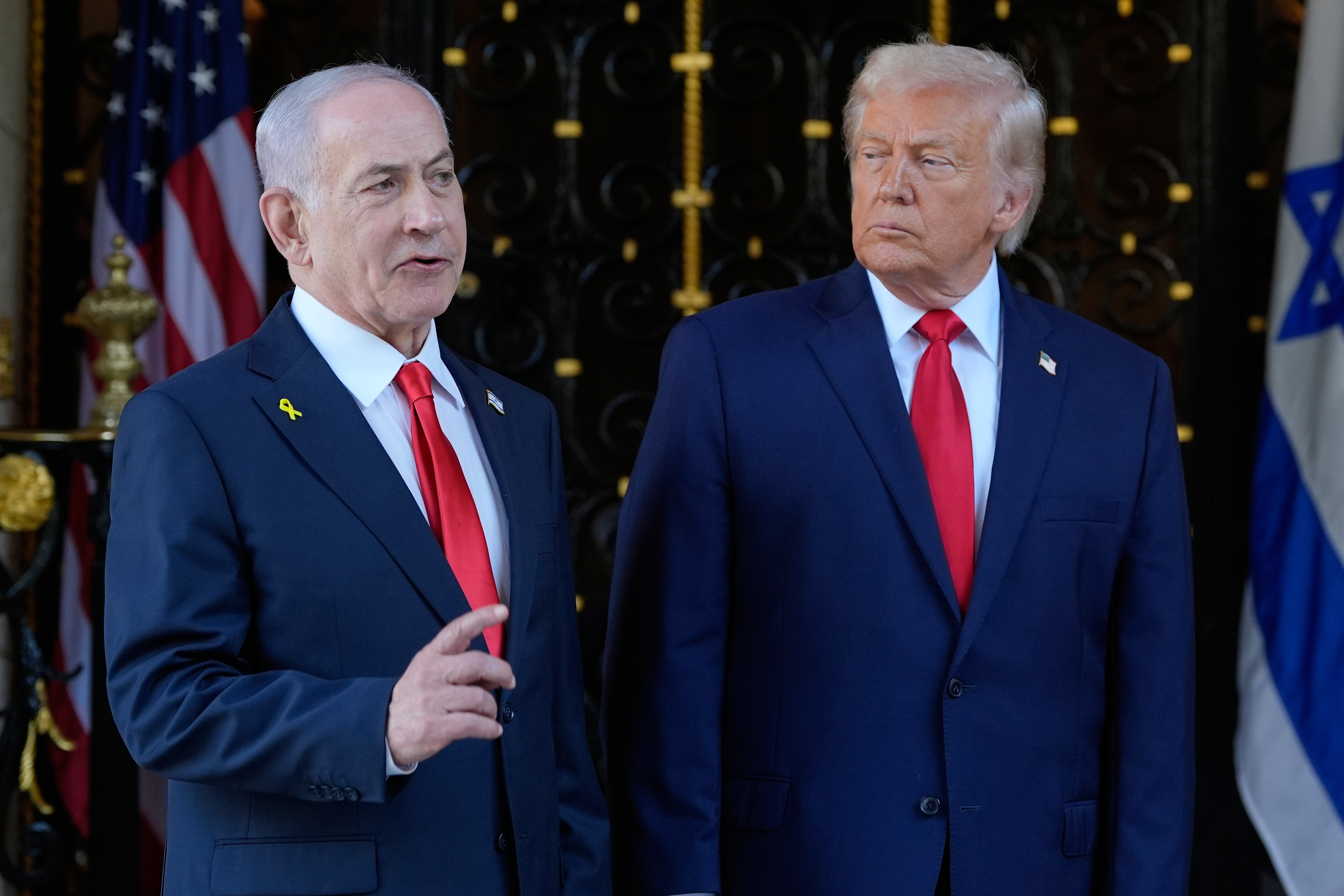
The concrete rupture in the political of Israel was marked by a direct intervention from the White House. Donald Trump, leveraging his social media platform, declared Benjamin Netanyahu a great warrior and partner in peace, effectively endorsing his candidacy for reelection. This is not a routine diplomatic courtesy; it is a strategic alignment that signals to the Israeli electorate and the international community that the US administration views Netanyahu's continued tenure as essential to its broader geopolitical objectives, particularly regarding Iran. The endorsement transforms the upcoming election from a domestic contest into a referendum on the US-Israeli alliance, raising the stakes for any opposition candidate who must now contend with the implicit threat of American disapproval.
The underlying tension stems from the erosion of the traditional firewall between US foreign policy and Israeli internal politics. Historically, American presidents have maintained a careful distance from specific electoral outcomes to preserve the integrity of the Israeli democratic system. By breaking this norm, the current administration acknowledges that the existing political structure in Jerusalem is sufficiently aligned with Washington's interests to warrant such overt support. This friction highlights a growing dependency where Israeli political survival is increasingly tethered to American executive approval, creating a feedback loop where domestic policies are shaped by external validation rather than internal consensus. The institutional implication is a shift toward a more transactional relationship, where political loyalty is rewarded with diplomatic and military backing.
The downstream casualties of this move include the opposition parties, who are now branded as obstacles to peace and stability by the most powerful ally in the world. For the global market, the signal is one of continuity, which may stabilize defense contracts but also prolongs the conflict dynamics in the Middle East. The tangible outcome is a consolidated right-wing government in Israel, empowered by the knowledge that it has the unconditional support of the United States. This entrenchment makes it significantly harder for future administrations to pivot policy, as the political capital required to challenge the status quo is now tied to a specific individual's political survival. The long-term consequence is a more rigid and less flexible diplomatic posture in the region, with fewer avenues for compromise or de-escalation.
Comments 0