Trump's Sanctions U-Turn Rescues India's Energy Ledger
The abrupt reversal of Washington's stance on Russian crude imports has averted a potential trade war that threatened to destabilize India's energy security. This diplomatic pivot allows New Delhi to maintain its strategic autonomy while navigating the complex web of Western pressure and Eastern supply dependencies.
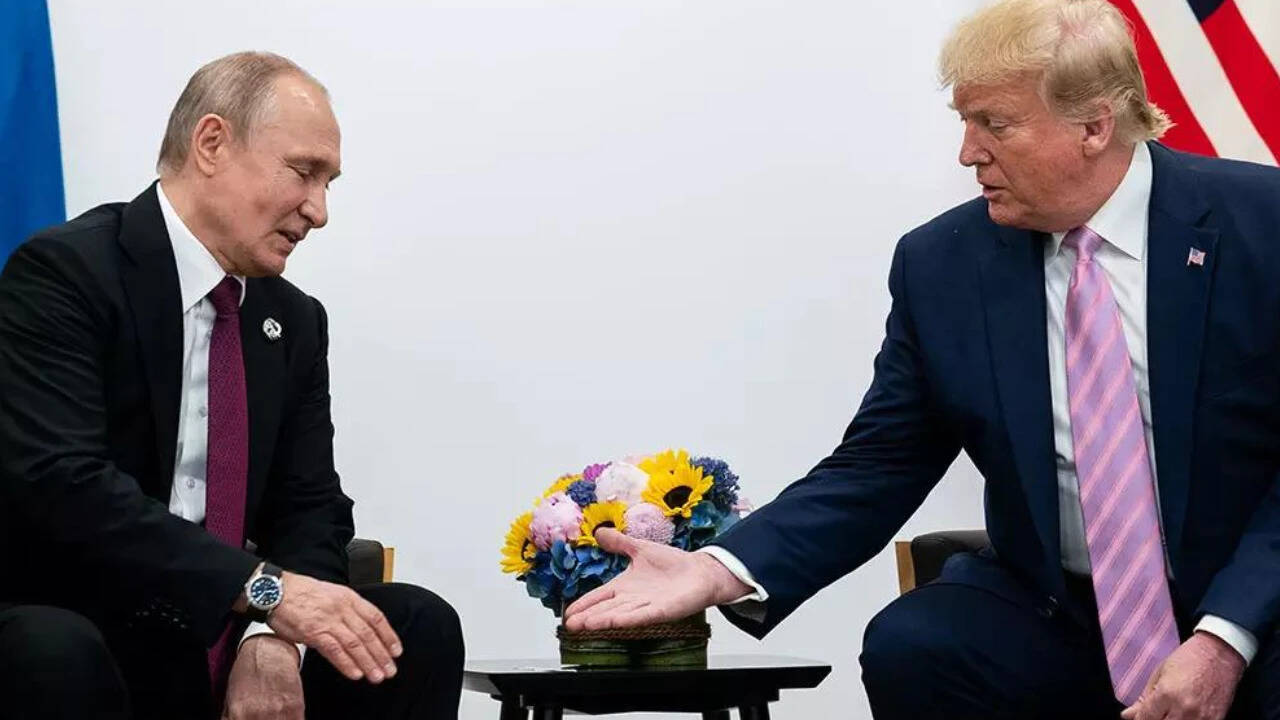
The immediate rupture in the geopolitical atmosphere stems from a sudden shift in American policy that had previously signaled a hardline approach to nations purchasing Russian oil. For India, this was not merely a diplomatic inconvenience but a direct threat to the cost structure of its largest import category. The reversal, described as a crude u-turn, effectively removed the sword of Damocles hanging over Indian refineries, allowing them to continue sourcing discounted barrels without the fear of secondary sanctions or retaliatory tariffs that would have eroded their competitive edge in the global market.
The underlying tension reveals the intricate dance between great power competition and the economic realities of emerging markets. India has long positioned itself as a non-aligned actor, refusing to choose sides in the Russia-Ukraine conflict while simultaneously deepening its strategic partnerships with both Moscow and Washington. This friction reached a boiling point when the US administration threatened to impose penalties on countries facilitating Russian energy exports. The subsequent softening of this stance suggests a recognition that pushing India into a corner would drive it closer to Beijing, a outcome the US is keen to avoid in the broader Indo-Pacific strategy.
The tangible outcome is a stabilization of India's fiscal position and a reinforcement of its energy independence narrative. By avoiding the imposition of punitive measures, the US has allowed India to retain the margin of safety in its trade balance, which is critical for maintaining currency stability and controlling inflation. This move also signals to other Global South nations that economic pragmatism can prevail over ideological rigidity, potentially reshaping the dynamics of multilateral trade negotiations in the coming months.
Comments 0