Trump's Sanctions Waiver: A Strategic Retreat That Deepens the Ukraine Rift
President Trump defended his decision to waive sanctions on Russia, citing the need to keep Moscow at the negotiating table, despite fierce criticism from Kyiv and US lawmakers. This move signals a significant shift in US foreign policy, prioritizing diplomatic engagement over punitive measures and deepening the divide with Ukraine.
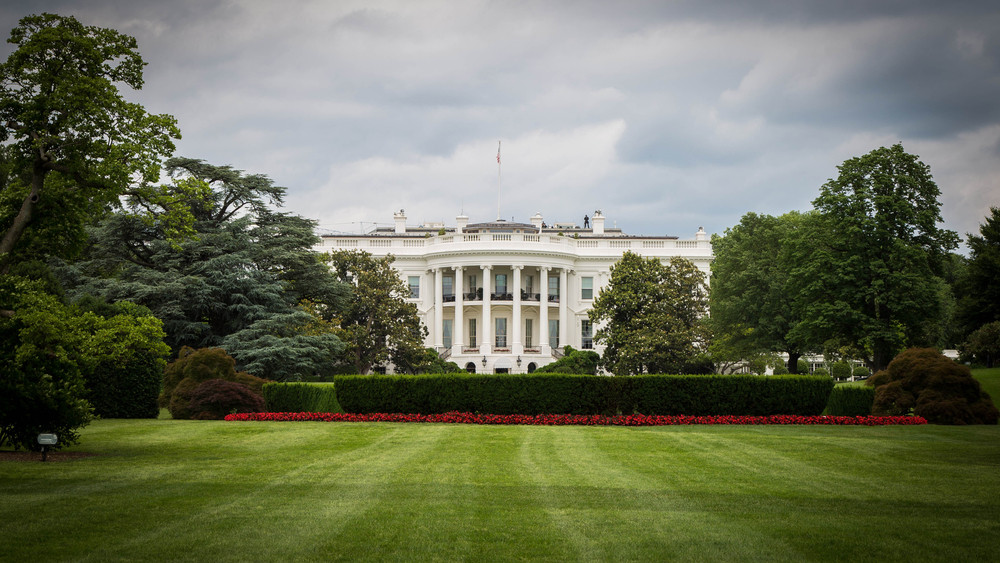
The decision by the US administration to waive sweeping sanctions on Russia has sent shockwaves through the geopolitical , particularly in Kyiv and among US allies. President Trump's defense of this move, framed as a necessary step to maintain a dialogue with Moscow, contrasts sharply with the previous administration's strategy of maximum pressure. This waiver is not just a policy adjustment but a strategic retreat that undermines the collective effort to isolate Russia and weaken its capacity to wage war, sending a clear message to the Kremlin that the US commitment to Ukraine is conditional and negotiable.
The underlying tension stems from a fundamental disagreement on the objectives of the US involvement in the Ukraine conflict. While Kyiv and its European allies view the war as an existential struggle for sovereignty and democratic values, the current US administration appears to prioritize a quick diplomatic resolution, even if it means compromising on key principles. The institutional friction is evident in the growing rift between the executive branch and Congress, where many lawmakers view the sanctions waiver as a capitulation to Russian aggression that will embolden other authoritarian regimes.
The downstream consequences of this policy shift are profound, with Ukraine facing increased pressure to accept a peace deal that may not address its core security concerns. The erosion of trust between the US and its European allies could lead to a fragmentation of the Western alliance, with countries like Germany and Poland taking the lead in supporting Ukraine. This realignment will have long term implications for global security, as it signals a move away from a rules based international order toward a more transactional and power based system where the interests of great powers take precedence over the rights of smaller nations.
Comments 0