Trump’s Tariff Hammer: India and China Brace for Trade War Escalation
The US Trade Representative is poised to announce findings on excess industrial capacity, signaling imminent new tariffs on India, China, and fourteen other nations. Indian officials are in a state of high alert, anticipating significant disruptions to export markets and supply chains.
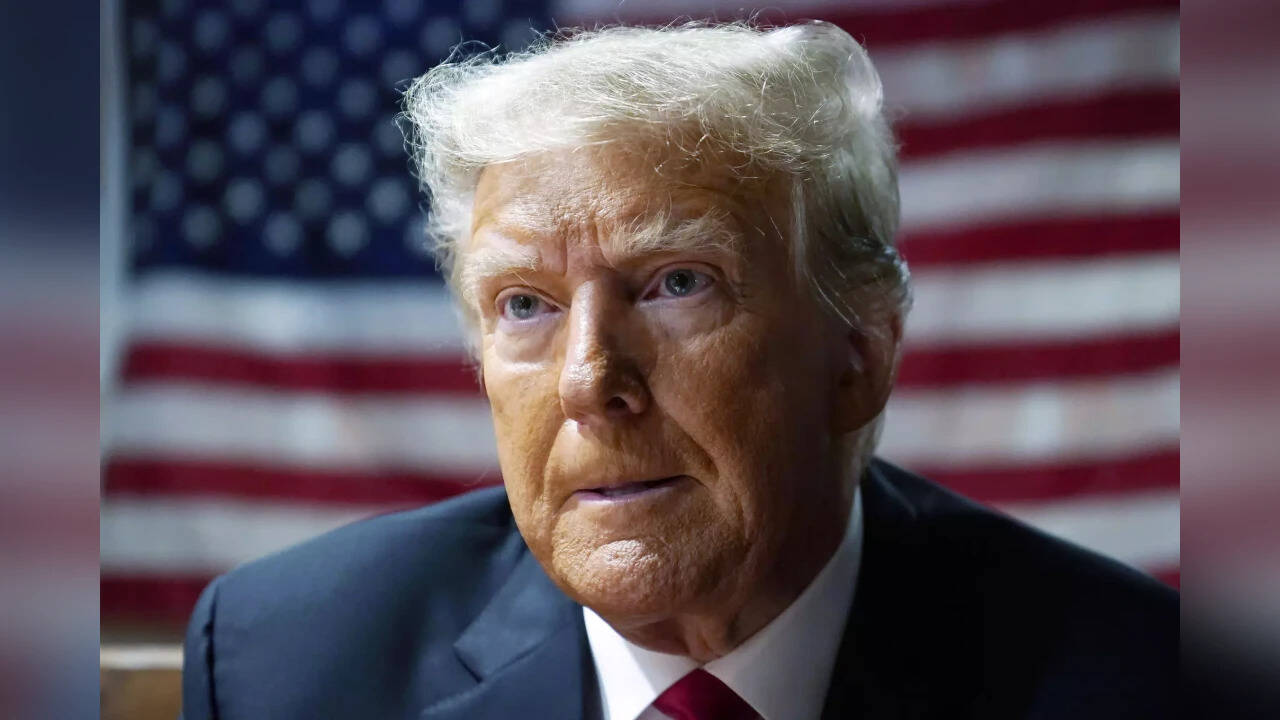
The announcement from the US Trade Representative marks a sharp escalation in the ongoing trade tensions that have defined the geopolitical economic order. By targeting excess industrial capacity, the administration signals a move beyond simple rate adjustments toward structural penalties that could reshape global manufacturing flows. For India, which has been courting US investment while maintaining its own industrial policies, this development represents a direct challenge to its export-oriented growth model. The immediate shockwave is felt in the corridors of New Delhi, where policymakers are scrambling to assess the specific sectors most vulnerable to the incoming levies.
The underlying tension stems from a fundamental disagreement over industrial policy and market access. The US view frames certain national strategies as distortive, while India and its peers see them as essential for development and sovereignty. This friction is not merely economic but deeply institutional, touching upon the rules of the World Trade Organization and the bilateral agreements that underpin modern trade. The investigation into excess capacity suggests a shift toward a more protectionist stance, one that prioritizes domestic industrial resilience over the liberalization that has characterized global trade for decades. The institutional friction is palpable, with both sides digging in their heels on principles that are difficult to compromise.
The downstream consequences are tangible and severe for the affected economies. Indian exporters, particularly in sectors like textiles, chemicals, and electronics, face the prospect of reduced competitiveness in the largest consumer market in the world. This could lead to a contraction in trade balances, a slowdown in industrial growth, and a potential realignment of supply chains toward other US allies or domestic producers. The casualties are not just corporate but also the workers and communities dependent on these industries. The structural outcome points toward a fragmented global trade system, where regional blocs and bilateral deals replace the multilateral framework, fundamentally altering the for international commerce.
Comments 0