Two-Way Paradox: MLB Grapples with the Unreplicable Phenomenon of Shohei Ohtani
Recent baseball analyses emphasize that Shohei Ohtani's historic two-way dominance remains an isolated anomaly rather than a sign of a broader tactical shift in Major League Baseball. Teams continue to struggle with balancing elite pitching and hitting workloads safely.
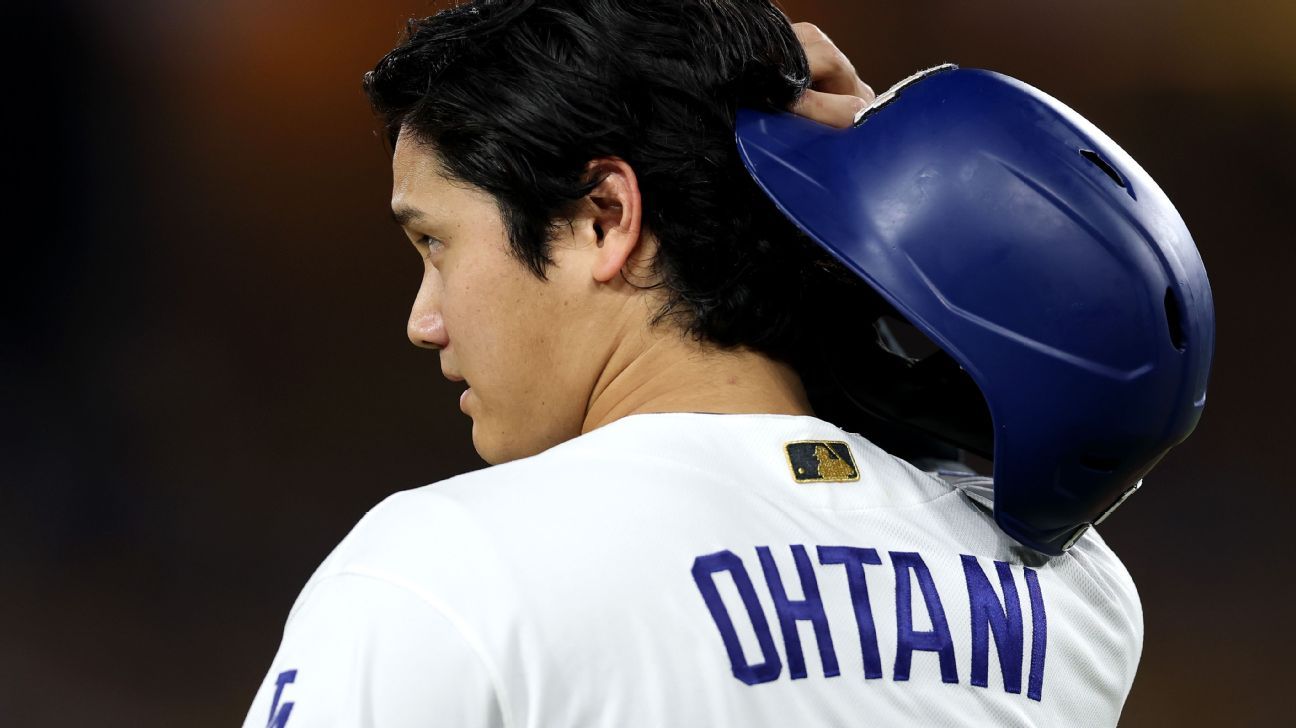
Years after Shohei Ohtani revolutionized modern baseball expectations, league-wide data confirms that his dual-threat prowess is impossible to replicate. Franchise front offices have attempted to cultivate similar two-way prospects, only to encounter severe injury risks and developmental bottlenecks. The physical toll required to maintain elite performance levels on both sides of the ball exceeds normal human athletic capacity. Baseball analytics departments now treat Ohtani as a statistical outlier rather than a blueprint for future roster construction. Pitching coaches and medical staffs remain protective of their investments, discouraging minor league prospects from splitting their training focus. Consequently, the game's tactical has reverted to traditional specialization. This realization forces teams to abandon experimental roster formats and refocus on depth and specialized bullpen management. Ohtani's singular success will thus paradoxically reinforce conventional baseball orthodoxy rather than dismantle it.
Comments 0