Unbridled redevelopment in Mumbai will cause water, infra crisis, say urban experts
Urban planning experts warn that aggressive redevelopment projects in Mumbai are threatening the city's water security and infrastructure capacity. They argue that the current pace of construction is outstripping the city's ability to manage essential services.
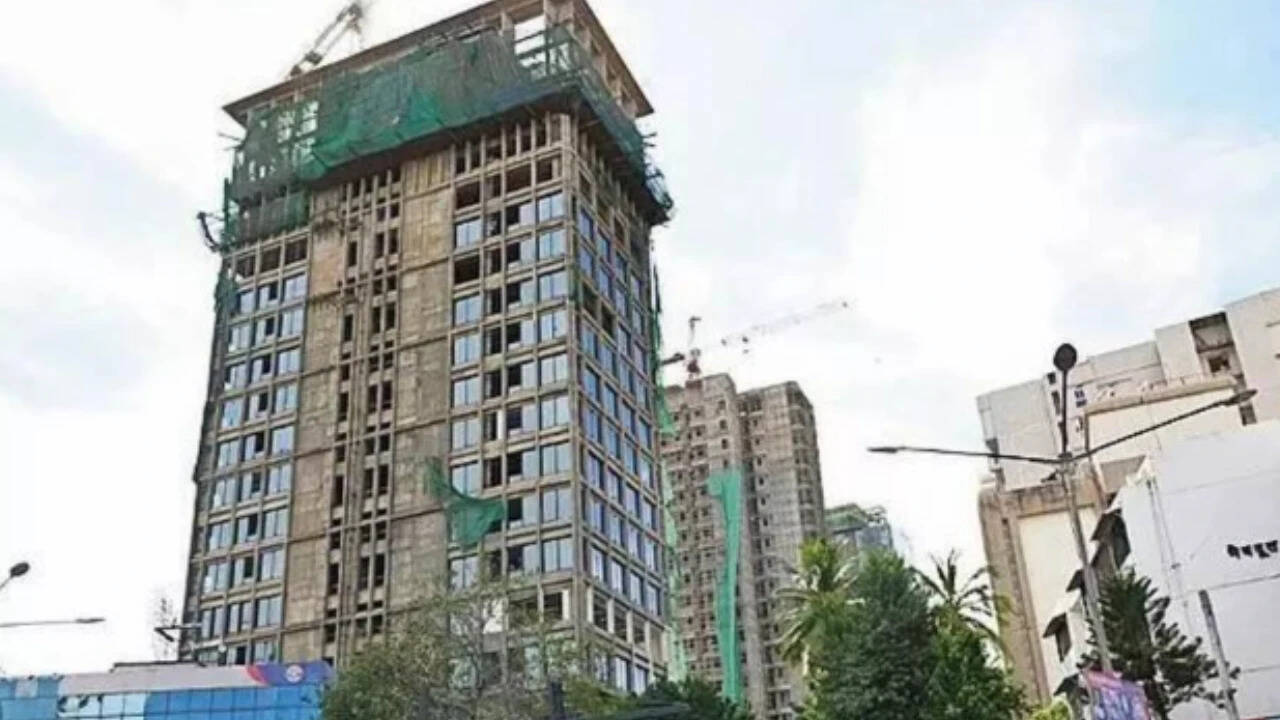
Urban planning experts have raised serious concerns about the rapid pace of redevelopment in Mumbai, warning that the city is heading toward a severe crisis in water supply and infrastructure management. The experts argue that the current approach to urban growth prioritizes vertical construction without adequate planning for the supporting systems required to sustain increased populations. This imbalance threatens to overwhelm existing drainage, sewage, and water distribution networks, leading to frequent service failures and public health risks.
The criticism focuses on the lack of integrated planning in new high-rise projects, which often increase the density of residents in specific areas without corresponding upgrades to local infrastructure. Experts point out that Mumbai's aging water treatment facilities and drainage systems are already operating near their limits. As more buildings are constructed, the strain on these systems intensifies, making it difficult to provide reliable services to all residents, particularly in densely populated neighborhoods.
For readers in India, this issue highlights the broader challenges of managing rapid urbanization in major metropolitan cities. Mumbai serves as a critical case study for how unchecked construction can lead to systemic failures in essential services. The warnings from urban experts suggest that without immediate policy interventions and stricter enforcement of infrastructure standards, the quality of life in the city could deteriorate significantly, affecting millions of residents and the city's economic productivity.
Comments 0