UNIFIL Monitors Shift Posture Amid New Realities in Southern Lebanon
The United Nations peacekeeping mission in southern Lebanon continues to adapt its monitoring mandate along tense border sectors. International observers face complex operational constraints as local security dynamics shift dramatically.
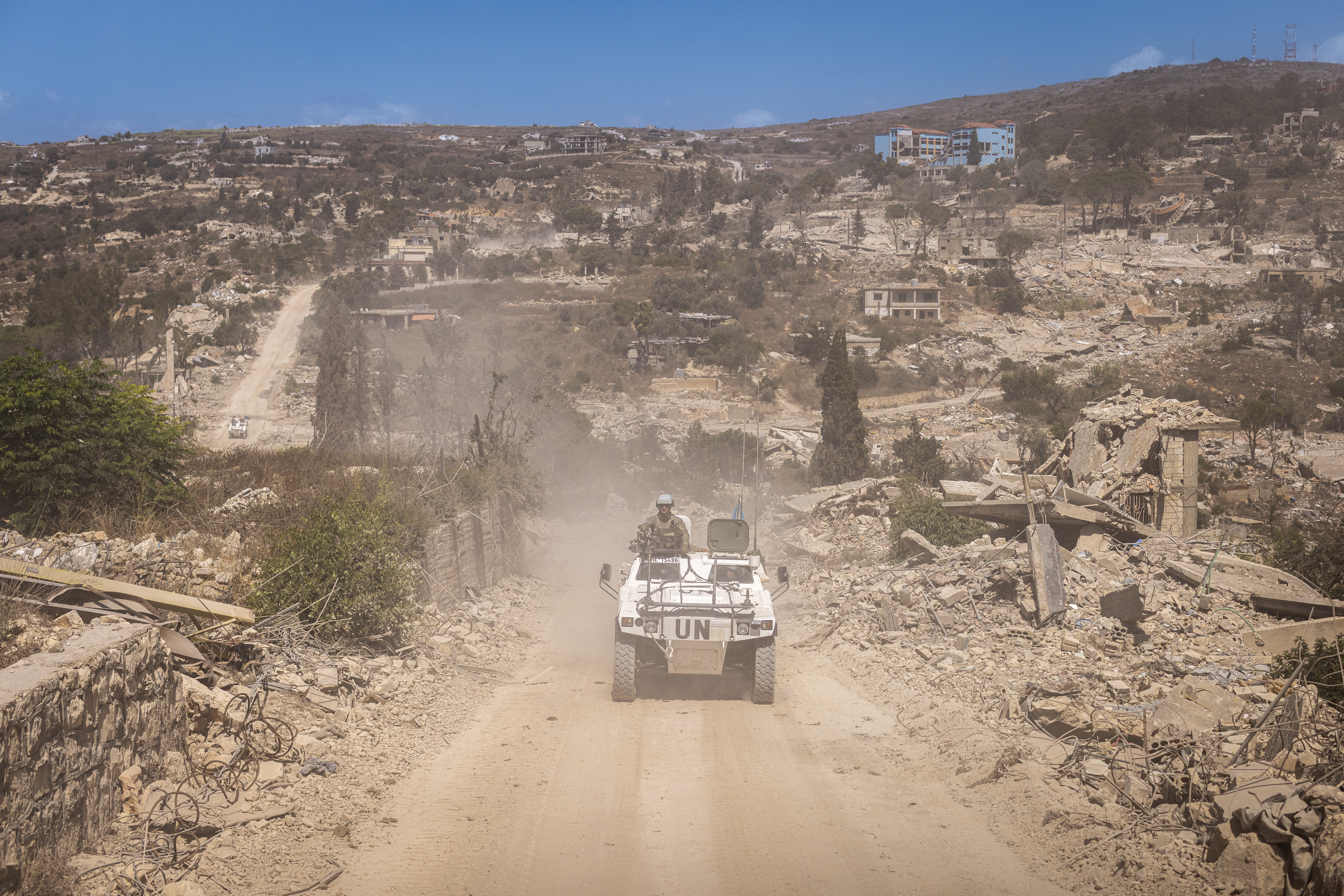
Two decades after the expansion of its monitoring mandate, the United Nations Interim Force in Lebanon navigates an increasingly volatile operational theater. Peacekeepers stationed along the blue line must verify compliance with ceasefire parameters amidst persistent localized skirmishes. The friction between international oversight and armed faction movements complicates every patrol routing. Field commanders report restricted access to observation posts and heightened surveillance by regional actors suspicious of foreign intelligence gathering. logistical supply lines require constant military escort to ensure troop safety across contested border corridors. Diplomatic channels in New York remain deadlocked over proposals to modify the mission's rules of engagement. The humanitarian cost of this prolonged stalemate falls squarely on displaced border communities unable to reclaim agricultural lands. Regional stability hangs on fragile intelligence-sharing agreements mediated by third-party capitals. Without a durable political settlement, peacekeeping forces remain permanent witnesses to simmering low-intensity conflict.
Comments 0