Unseasonal Akvan Deluge Inundates West Bengal Paddy Fields, Sparking Rice Inflation Alarm
Torrential rains triggered by System Akvan flooded agricultural belts across West Bengal, causing standing paddy crops to rot days before harvest. The severe crop damage threatens to trigger steep food price spikes across Kolkata and urban retail markets.
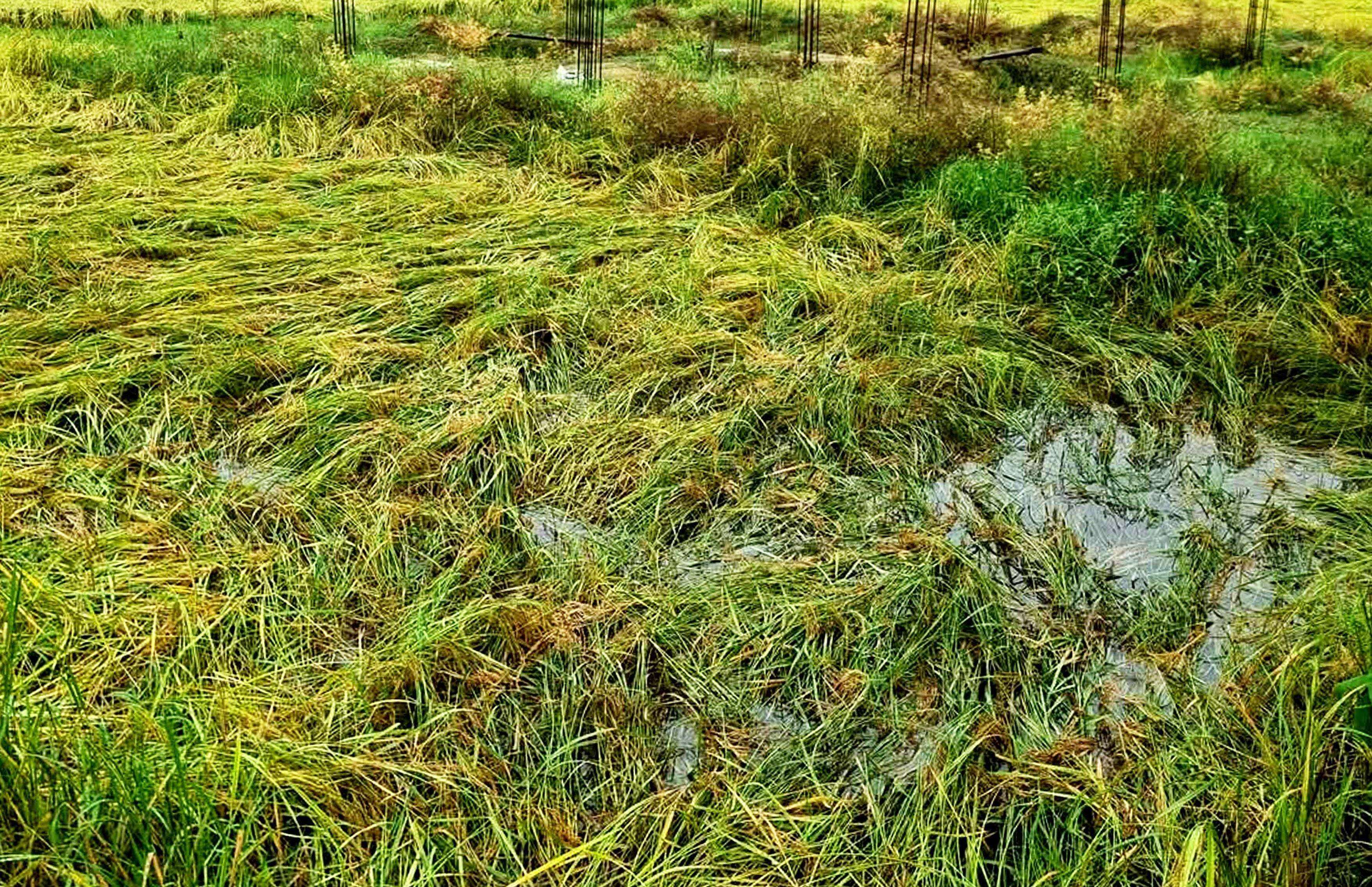
Unseasonal, relentless downpours driven by the Akvan weather system inundated vast swathes of agricultural land across West Bengal, submerging mature paddy fields under feet of stagnant water. Farmers across key grain-producing districts watched helplessly as ripe crops, slated for immediate harvesting, began rotting in flooded fields. Agricultural inspectors reported extensive losses across early winter yield varieties, warning that submerged grain heads cannot be saved by conventional drying methods. The sudden climate shock immediately sent ripples through wholesale agricultural trading hubs, where suppliers began adjusting availability projections downward.
The agricultural crisis exposes systemic deficiencies in rural drainage management and disaster relief mechanisms. State procurement agencies face immense logistical friction, caught between mandatory minimum support purchase mandates and damaged grain quality standards that fail baseline moisture tests. Insurance providers and agrarian administrative bodies are inundated with compensation claims, yet structural delays in crop damage assessment protocols threaten to leave smallholders without capital for the upcoming planting season. The event underscores how volatile climate anomalies continually overpower traditional agricultural risk mitigation strategies.
The primary casualties are smallholder farming households facing total income loss and mounting debt burdens from lost seed and fertilizer investments. Urban consumers in Kolkata and surrounding metropolitan areas now confront an inevitable surge in retail rice prices, threatening household budgets during peak demand periods. Wholesale merchants predict supply deficits will force the state government to request emergency grain allocations from central reserves to stabilize domestic prices and prevent widespread food security panics across urban markets.
Comments 0