Unseasonal Precipitation Patterns Redefine Regional Climatic Realities
Recent meteorological anomalies have left major urban centers thoroughly saturated despite broader forecasts of deficient monsoon activity. This atmospheric phenomenon highlights the growing unpredictability of regional weather systems under shifting climatic conditions.
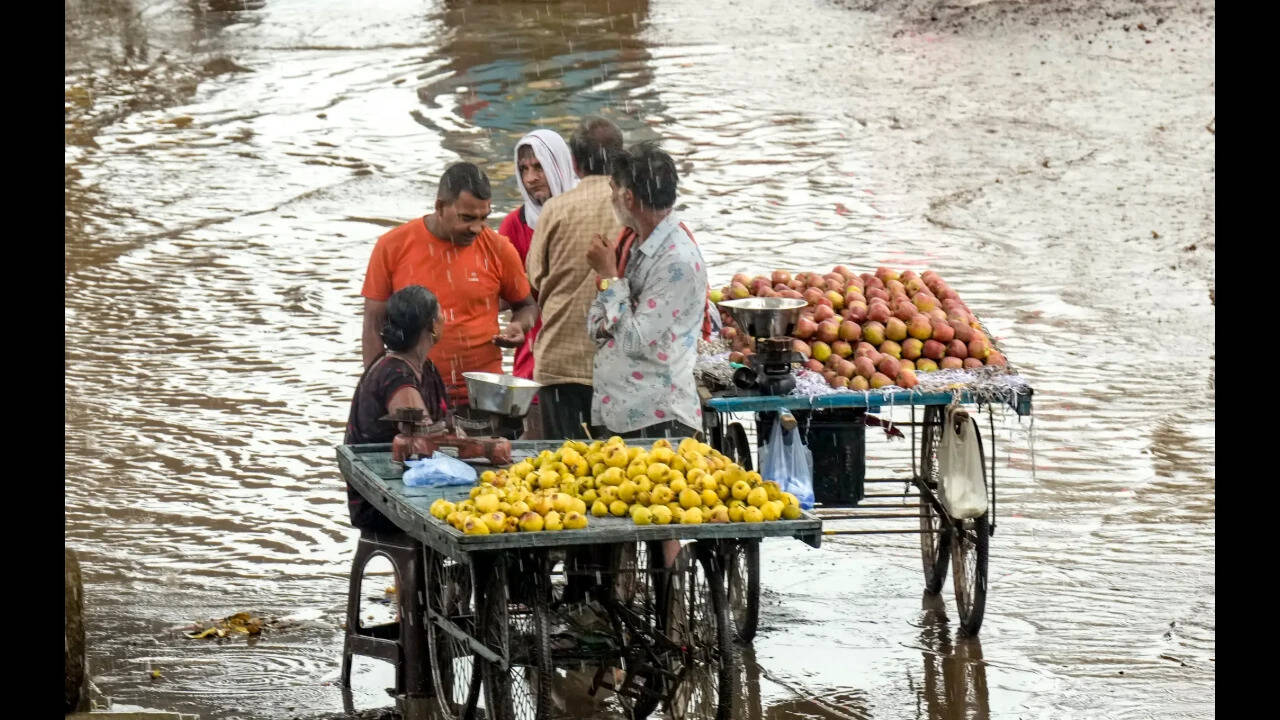
Meteorological departments across the subcontinent are grappling with sudden depressions that defy conventional predictive models based on standard El Nino indexes. Urban administrators found themselves unprepared for concentrated deluges that overwhelmed drainage infrastructure built for predictable seasonal volumes. The disconnect between macroeconomic agricultural drought warnings and hyper-local urban flooding underscores the extreme fragmentation of contemporary weather events. Civil engineering systems in metropolitan areas are facing severe stress tests as precipitation concentrates into shorter, more violent cloudbursts. Municipal authorities are caught between funding long-term subterranean drainage overhauls and managing immediate disaster relief whenever localized storms strike. This environmental volatility demands a complete redesign of urban planning frameworks to accommodate extreme hydrological shocks. Real estate values in low-lying urban zones are absorbing downward corrections as recurrent waterlogging damages ground-floor commercial assets and residential inventories. Municipal budgets are chronically strained by emergency pumping operations and road repairs, diverting capital from sustainable civic improvements. The recurring crisis cements a reality where municipal survival depends on agile crisis response rather than static infrastructural design.
Comments 0