UP Muslim Vote Tussle: Azam Khan's Biryani Jibe Escalates Political Rhetoric
Azam Khan's public snub at Asaduddin Owaisi, comparing UP's preference for pulao to Hyderabad's biryani, has intensified the competition for the Muslim vote in the upcoming assembly elections. This rhetorical escalation reflects the deepening polarization in the state's political and the strategic maneuvering by key leaders.
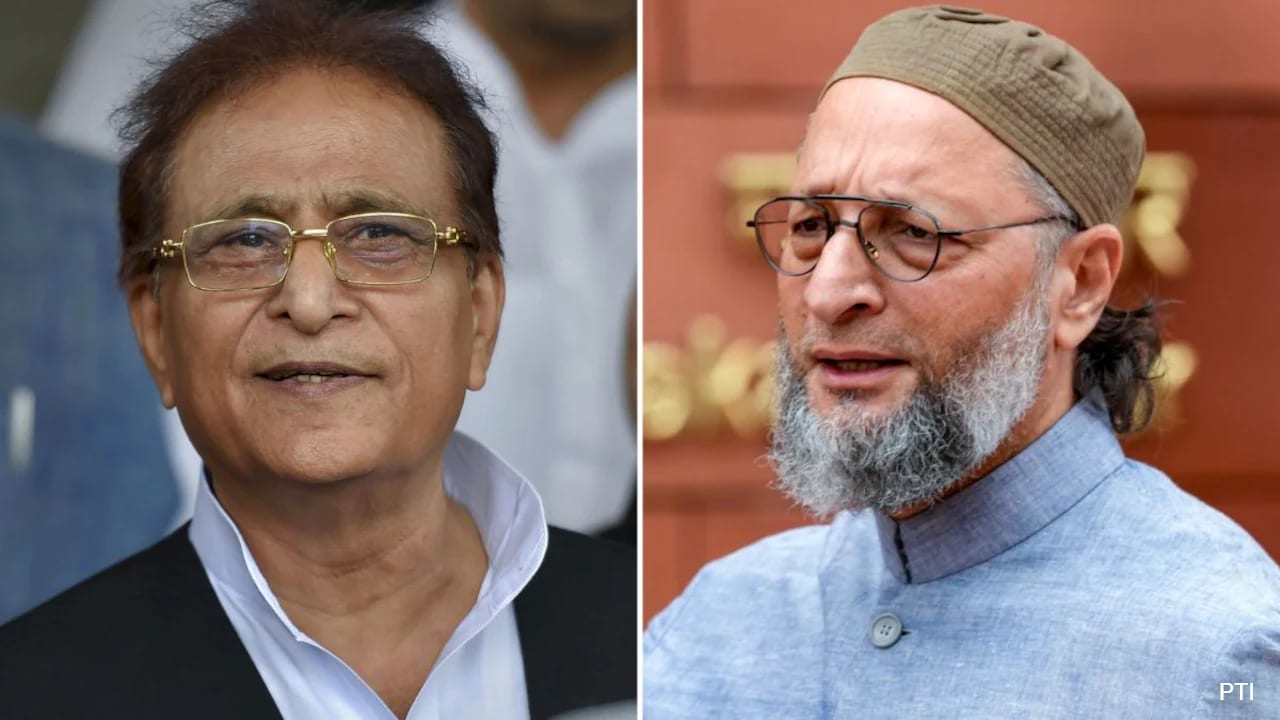
The public exchange between Azam Khan and Asaduddin Owaisi over the culinary preferences of Uttar Pradesh has become a proxy for a much larger battle for the Muslim vote in the state. Khan's comment, that UP likes pulao and not Hyderabad's biryani, is a pointed jab at Owaisi's influence and his alliance with Chandrasekhar Azad's Azad Samaj Party. This is not merely a quip but a calculated move to undermine Owaisi's credibility and appeal to a broader base of Muslim voters who may be disillusioned with his leadership. The immediate impact is a heightened sense of rivalry and a potential fragmentation of the Muslim vote, which could have significant implications for the outcome of the upcoming elections.
The underlying tension is rooted in the historical and cultural dynamics of the Muslim community in Uttar Pradesh. The state has a large Muslim population, and their vote is often seen as a decisive factor in determining the political balance of power. The rivalry between Khan and Owaisi reflects the internal divisions within the community and the struggle for leadership. The institutional friction is evident in the way both leaders are using cultural symbols and regional identities to consolidate their support, a strategy that has the potential to deepen communal divides. This incident highlights the complexity of political mobilization in a diverse and fragmented society.
The downstream consequences of this rhetorical escalation are a more polarized political environment and a potential increase in communal tensions. The tangible outcome is a shift in the electoral strategy of both leaders, with a greater focus on grassroots mobilization and direct engagement with voters. In the long term, this incident may lead to a reconfiguration of alliances and a more competitive political in Uttar Pradesh. The 12-month structural consequence is a more fragmented Muslim vote, which could benefit third-party candidates and alter the traditional two-party dynamic in the state.
Comments 0