Urban Gridlock and Economic Pulsation: Bengaluru Traffic Paralysis Highlights Infrastructure Deficits
A massive nocturnal exodus from Bengaluru leaves arterial roadways congested until the early morning hours, underscoring severe urban mobility bottlenecks. Economic productivity hinges increasingly on municipal investments in mass transit solutions that can withstand surging commuter volumes.
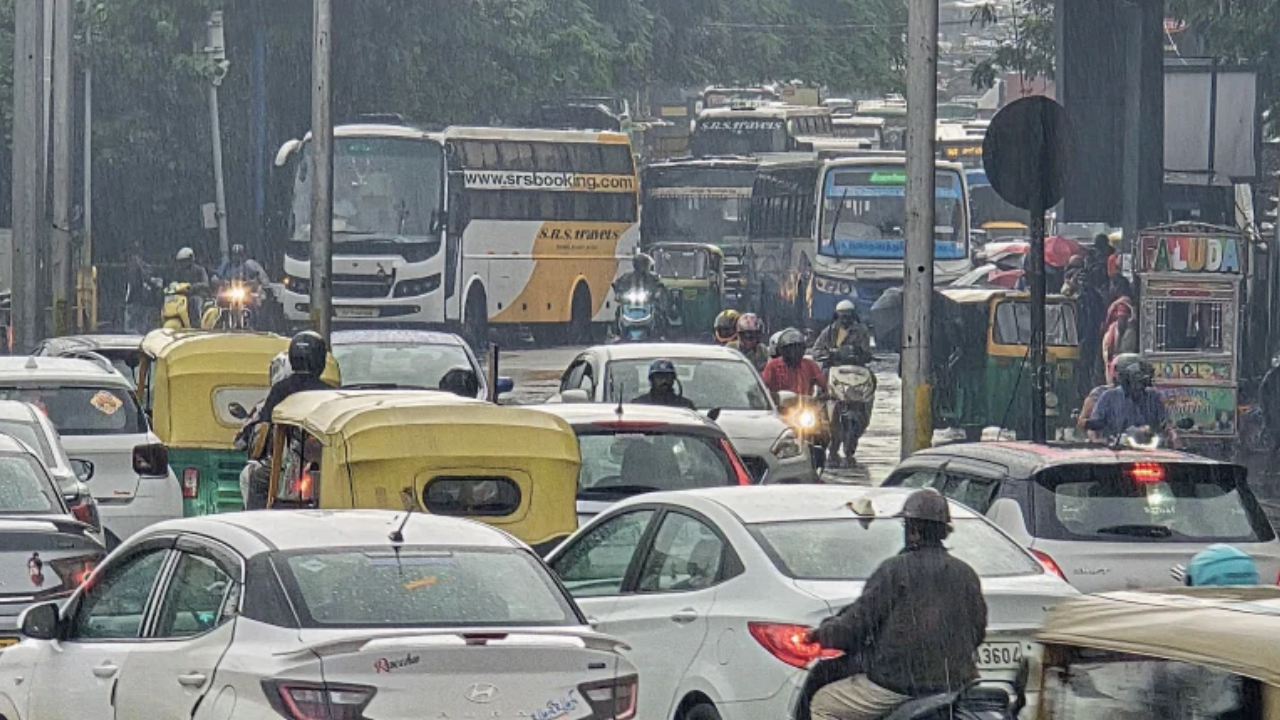
The economic heartbeat of India's silicon valley experienced severe circulatory strain as hundreds of thousands of corporate employees and holiday travelers attempted to navigate out of Bengaluru during a chaotic Friday evening. Traffic arterial networks remained thoroughly paralyzed well past midnight, with public transport buses crawling along major ring roads until the early hours of Saturday. Commuters reported spending upwards of four hours traversing distances that normally require mere minutes, highlighting the immense strain placed on municipal transport infrastructure by rapid urban expansion.
Urban planners and civic bodies have repeatedly clashed over the appropriate prioritization of mass rapid transit systems versus elevated road corridors designed to accommodate private vehicular growth. While technology parks generate immense wealth and attract millions of knowledge workers, municipal spending on commuter rail and intelligent traffic management systems has notoriously lagged behind actual demand. This infrastructural deficit creates daily friction between corporate expectations of global efficiency and the harsh ground realities of navigating crumbling municipal roads.
As commercial hubs continue to densify, the inability to move populations efficiently poses a direct threat to the economic preeminence of southern metropolitan centers. Corporate employers are beginning to reevaluate hybrid work policies not merely as employee perks, but as necessary operational adaptations to municipal paralysis. The long-term trajectory points toward aggressive decentralization of office spaces into secondary business districts to alleviate chronic urban congestion.
Comments 0