Urban Gridlock Breaks Resilience as Bengaluru Commuter Suffers Repeated Crises During Three Hour Transit
A routine nineteen kilometre transit across Bengaluru devolved into a three hour ordeal marked by severe psychological distress and repeated breakdowns. The episode lays bare the severe toll that systemic urban congestion inflicts on the mental and physical wellbeing of metropolitan workforce participants.
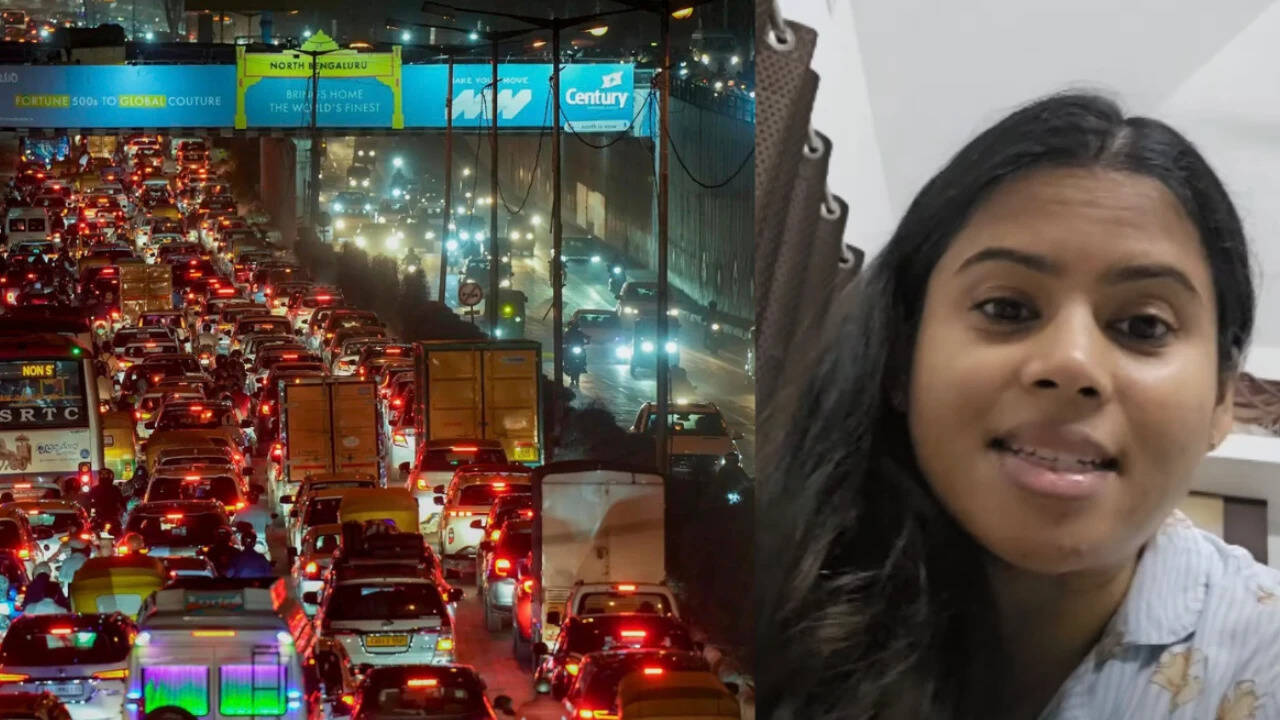
The daily commute across India's premier technology hub has long tested the boundaries of human patience, but recent gridlock incidents have escalated from mere frustration into acute health hazards. Trapped inside unmoving transport for hours while racing against a critical railway departure, a local resident endured successive emotional collapses brought on by the suffocating density of the thoroughfare. Every yard gained was contested by a chaotic confluence of private vehicles, inadequate public transit infrastructure, and profound municipal mismanagement. Underlying this harrowing episode is the persistent friction between rapid commercial expansion and static urban planning capacities. Municipal authorities continue to approve high-density commercial developments without matching investments in mass rapid transit, leaving arterial roads permanently choked. The psychological burden of this systemic failure falls disproportionately on everyday citizens who must navigate decaying infrastructure while corporate productivity demands remain unyielding. The downstream casualty of such chronic urban dysfunction is the erosion of workforce health and the steady degradation of metropolitan livability standards. Employers face silent losses in productivity as their staff arrives depleted by the daily battle against impassable roads. Unless radical investments in decentralized transit networks materialize, India's urban centres risk becoming unlivable nodes of chronic stress.
Comments 0