Urban Infrastructure Gridlock Sparks Public Outcry Over Bengaluru Traffic Management
commuter outcry in Bengaluru has reignited intense debate over municipal infrastructure planning following severe multi-hour traffic paralysis. Citizens demand immediate administrative accountability as urban congestion cripples daily economic productivity.
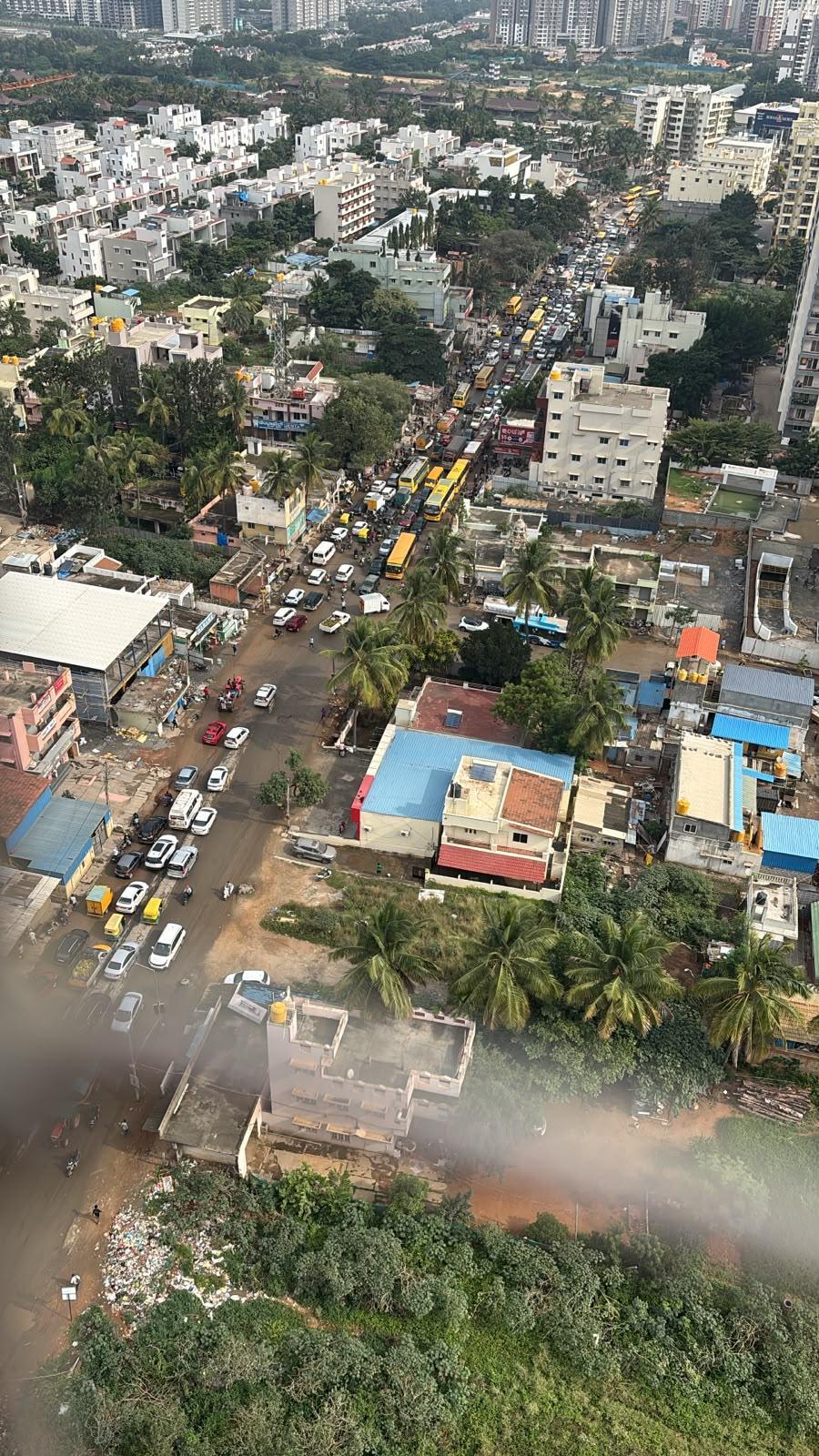
A harrowing public account of a minor trapped for seventy-five minutes in stagnant Bengaluru traffic has catalyzed widespread civic anger across technology corridors. The viral incident exposed the brittle state of municipal mobility infrastructure, where inadequate stormwater drainage and unchecked commercial densification routinely generate gridlock. Citizens and corporate leaders alike criticized municipal authorities for prioritizing reactive patch-work solutions over comprehensive mass transit expansion. Institutional friction between municipal corporations, state transit authorities, and urban planning boards has chronically delayed vital arterial road projects. Technocratic demands for high-capacity suburban rail systems constantly clash with short-term political incentives favoring road-widening schemes that induce further vehicular volume. The resulting paralysis leaves millions of commuters stranded in daily transit bottlenecks that erode urban liveability. Commercial enterprises suffer measurable productivity losses as employee commute times expand exponentially. Real estate developers in peripheral technology parks face mounting tenant resistance as infrastructure deficiencies outweigh tax advantages. The municipal administration now confronts an angry electorate demanding structural transport overhauls before upcoming municipal polls.
Comments 0