Urban Infrastructure Overhaul: Pune Municipal Corporation Allocates Significant Capital for Traffic Management
The civic standing committee in Pune has cleared a substantial financial outlay to deploy hundreds of traffic wardens across congested urban corridors. The initiative aims to mitigate chronic gridlock and enhance pedestrian safety.
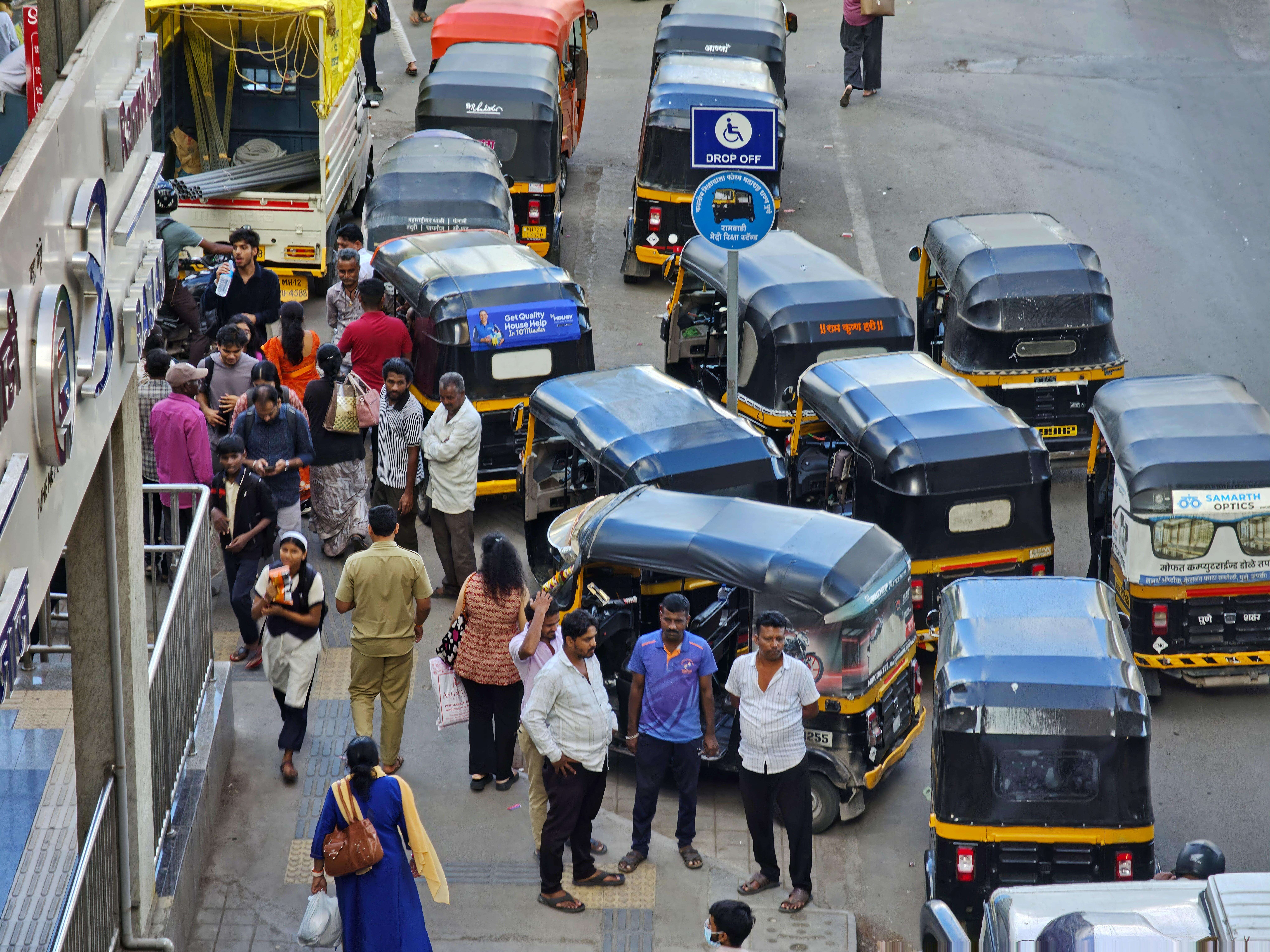
Urban governance authorities in Pune have sanctioned a multi-million-rupee allocation to recruit and deploy hundreds of specialized traffic wardens across major arterial intersections. This municipal intervention addresses mounting public frustration over unmanaged vehicular congestion, erratic commuter behavior, and overstretched police enforcement resources. The financial outlay reflects an urgent push by civic planners to outsource ground-level traffic regulation to dedicated personnel. The underlying friction highlights the severe mismatch between vehicular population growth and legacy road infrastructure within rapidly expanding metropolitan centers. Municipal corporations increasingly find themselves absorbing responsibilities traditionally managed by state law enforcement agencies, creating jurisdictional overlaps and funding battles. Citizens, meanwhile, bear the brunt of daily transit delays, infrastructural bottlenecks, and high ambient pollution levels. The immediate outcome of this financial sanction will be the visible presence of wardens at critical bottleneck zones, providing localized relief to chronic congestion points. However, without synchronized investments in intelligent transport systems and public transit expansion, these human-centric interventions will offer only temporary respite. The long-term success of the initiative depends on sustained budgetary allocations and rigorous accountability standards for the deployed personnel.
Comments 0