Urban Infrastructure Paralysis: Redevelopment Delays Trap Mumbai Vulnerable Residents
Elderly and disabled flat owners in Mumbai remain stranded in legal and bureaucratic limbo as long-promised building redevelopment projects stall indefinitely. The crisis exposes the severe vulnerabilities of vulnerable citizens caught between insolvent developers and sluggish municipal tribunals.
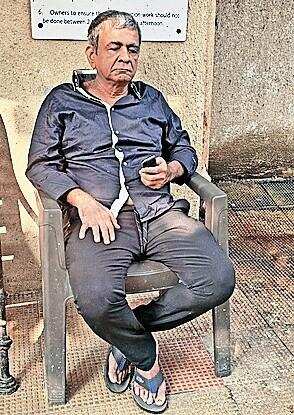
Across the densely populated neighborhoods of Mumbai, numerous residential housing societies face an escalating crisis as ambitious redevelopment projects collapse midway through execution. Elderly and disabled residents, many of whom surrendered their lifelong homes with the promise of modern accessible housing, find themselves displaced in transit accommodations that lack basic infrastructural support. Financial defaults by builders, coupled with complex zoning litigation, have frozen construction sites indefinitely across the metropolis. The impasse underscores systemic governance failures within the urban real estate sector, where regulatory oversight mechanisms routinely fail to protect vulnerable tenants from predatory or financially unstable developers. Municipal authorities often approve high-density redevelopment plans without enforcing rigorous financial guarantees, leaving residential societies with little recourse when projects run out of capital. Bureaucratic red tape within housing boards further exacerbates the delays, compounding the misery of displaced families. The immediate human cost of these stalled projects falls disproportionately on senior citizens and persons with physical disabilities, whose health and well-being deteriorate in substandard temporary housing. Without urgent legislative intervention and mandatory escrow protections for redevelopment funds, thousands of Mumbai residents face permanent displacement and financial ruin in a housing market driven entirely by speculative capital.
Comments 0