Urban Infrastructure Paralysis Spurs Public Frustration Over Traffic Management in Southern Metros
A severe seventy-five-minute traffic gridlock in Bengaluru resulted in a medical emergency for a young child, laying bare the human cost of crumbling urban transit systems. The incident has intensified demands for radical restructuring of metropolitan mobility corridors.
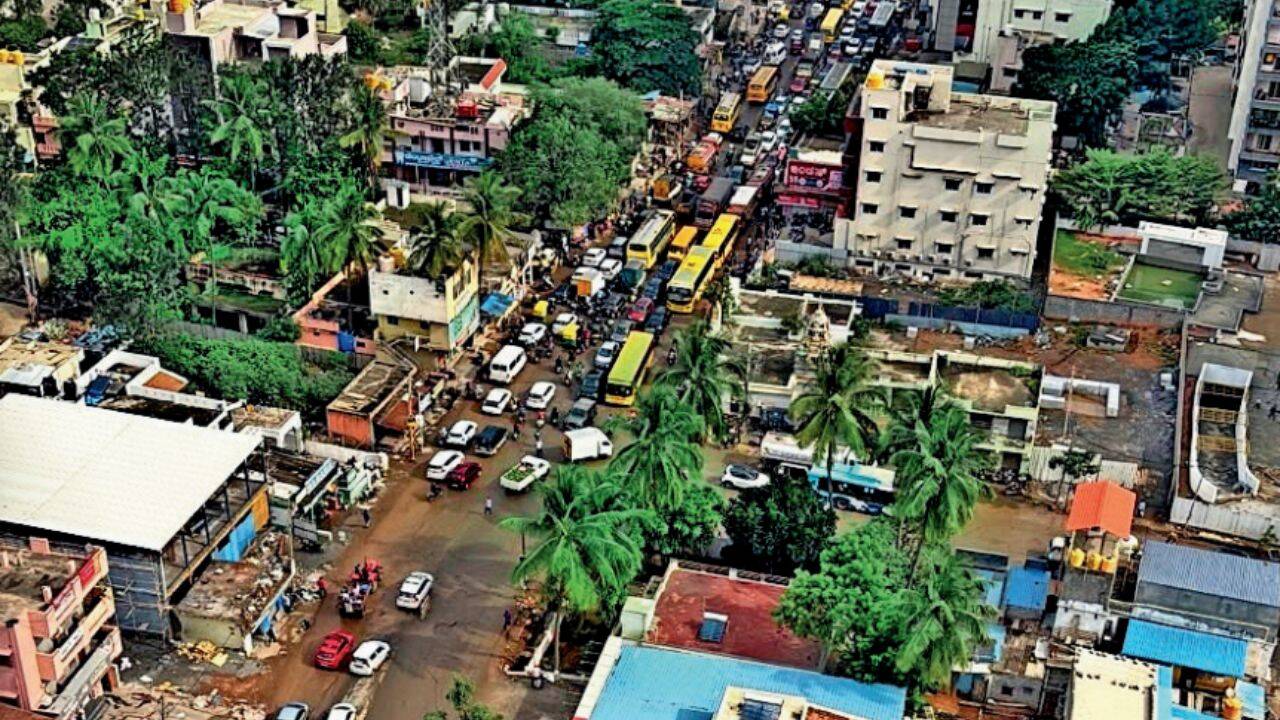
The daily commute in India's Silicon Valley continues to exact a heavy toll on the physical and mental health of its citizenry. An ordinary vehicular snarl transformed into a critical crisis when a child was trapped in a stationary vehicle for over an hour, unable to reach a restroom or medical facility in time. Such episodes have ceased to be mere inconveniences, evolving instead into systemic failures that threaten public safety and basic human dignity within expanding urban spaces. The underlying tension stems from a profound mismatch between unbridled real estate development and the stagnant capacity of legacy road networks. Municipal planners and traffic police frequently find themselves outmatched by exponential vehicle growth and inadequate public mass transit alternatives. Citizen groups have grown increasingly vocal, accusing local administrations of prioritizing short-term commercial projects over comprehensive urban mobility planning. The downstream casualty of this persistent gridlock is the erosion of urban productivity and livability indices for major economic hubs. Corporations are beginning to witness employee attrition driven entirely by unbearable commute times, prompting private sector discussions about decentralized work models. Without massive structural investments in subterranean rail and intelligent traffic control grids, metropolitan India risks choking on its own economic momentum.
Comments 0