Urban Mining in India: The Untapped Potential of E-Waste and Battery Scrap
India's urban mining sector holds the potential to recover Rs 1.01 lakh crore worth of minerals, yet 80 percent of battery scrap is handled informally. This gap between potential and practice highlights the need for formalization and regulation in the e-waste management sector.
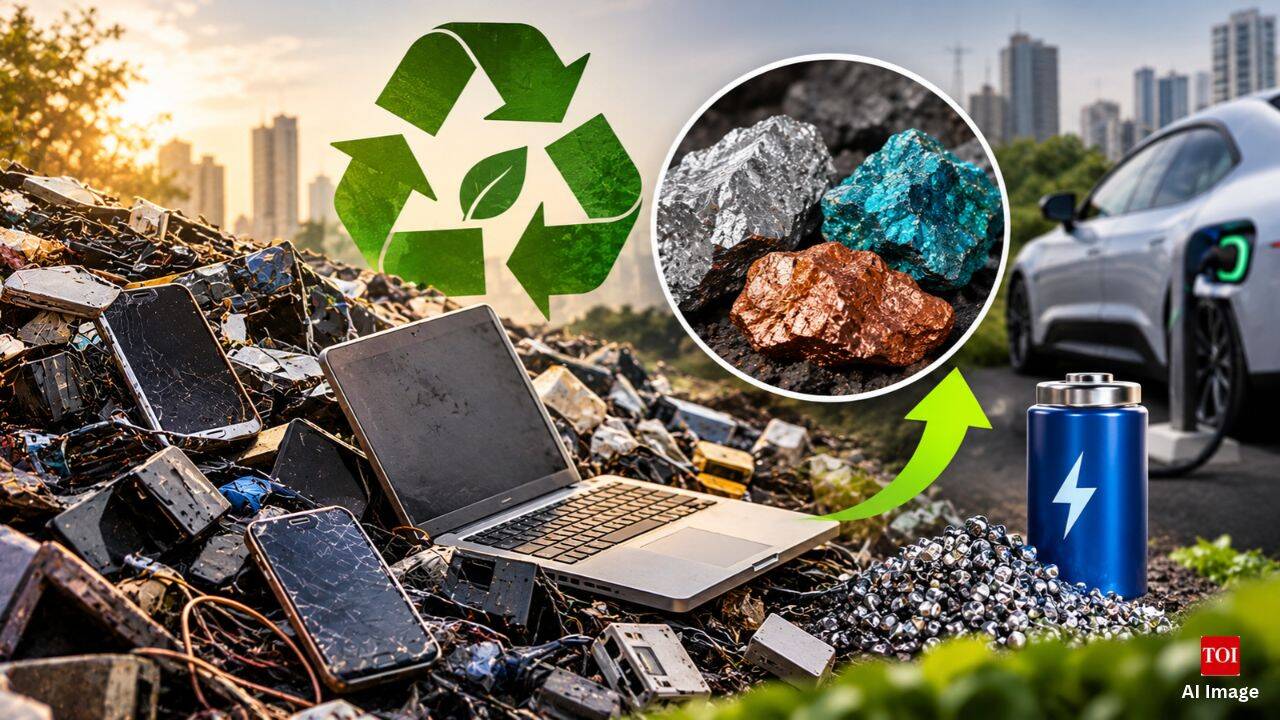
A recent report highlights the significant potential of urban mining in India, estimating that the recovery of minerals from old phones, laptops, and EV batteries could yield Rs 1.01 lakh crore. However, the report also reveals that 80 percent of battery scrap is handled informally, indicating a major gap between the sector's potential and its current state. This informal handling not only results in the loss of valuable resources but also poses environmental and health risks, as improper disposal of e-waste can lead to soil and water contamination.
The underlying tension in this sector is the lack of a robust regulatory framework and the dominance of informal players who operate outside the purview of environmental and labor laws. The institutional friction between the need for formalization and the entrenched interests of informal operators has hindered the development of a sustainable e-waste management system. This gap is further exacerbated by the rapid growth in the use of electronic devices and electric vehicles, which has outpaced the capacity of the formal sector to handle the resulting waste.
The tangible outcome of this situation is the continued loss of valuable resources and the environmental degradation associated with informal e-waste handling. The downstream impact will be seen in the health of communities living near informal recycling sites and the overall sustainability of India's resource management. Addressing this gap requires a concerted effort to formalize the sector, enforce environmental regulations, and invest in the infrastructure needed for proper e-waste management.
Comments 0