US and Philippines Seal Trade Deal Amid Strategic Realignment
President Trump has announced a new trade agreement with the Philippines, describing it as a 'magnificent deal' that is fair to both sides. This agreement is part of a broader strategy to strengthen economic ties with key allies in the Asia-Pacific region.
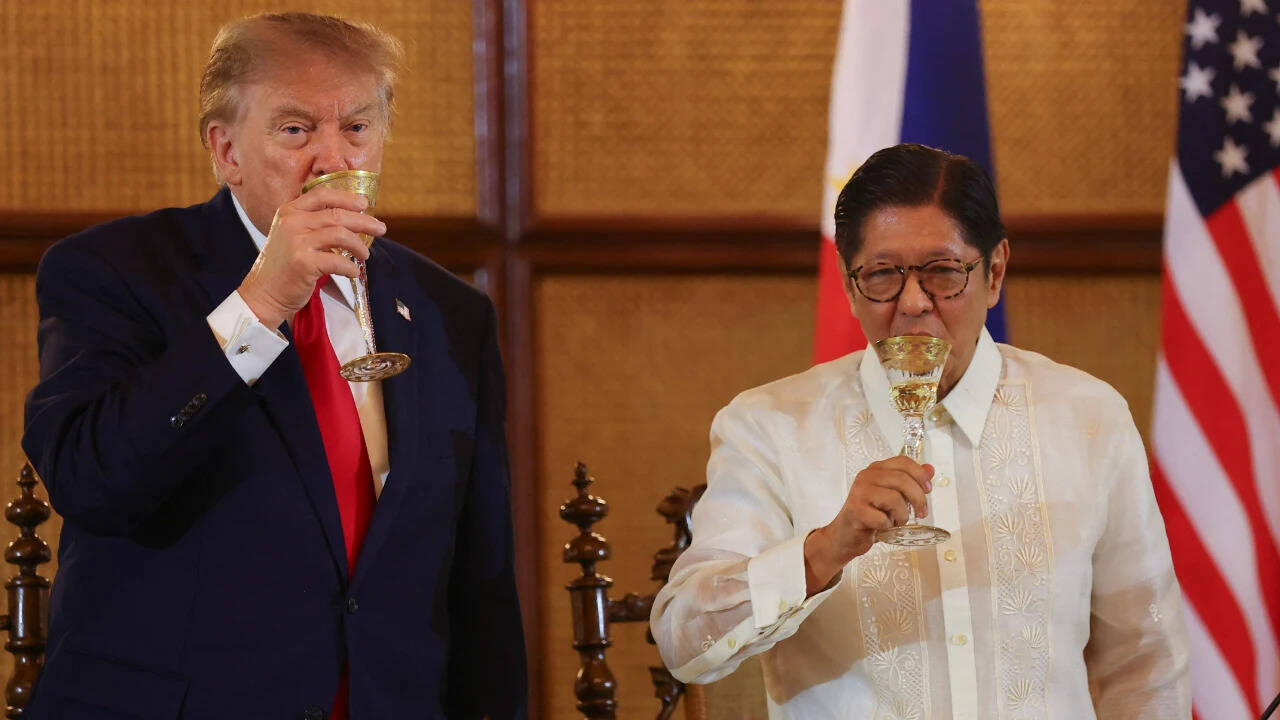
The announcement of a new trade agreement between the United States and the Philippines represents a significant shift in the economic of the Asia-Pacific region. By describing the deal as 'magnificent' and 'fair,' President Trump is signaling a commitment to bilateral trade that is mutually beneficial, a stance that contrasts with the more multilateral approach of previous administrations. This agreement is not just a commercial arrangement but a strategic move to deepen economic integration with a key ally in a region that is increasingly contested by other global powers.
The underlying tension in this deal reflects the broader geopolitical competition for influence in the Asia-Pacific. The United States is seeking to counter the economic and political influence of China by strengthening its ties with countries like the Philippines, which is strategically located in the region. This friction between economic interests and geopolitical strategy creates a complex environment where trade agreements are often used as tools of statecraft, with implications that extend far beyond the commercial sphere.
The downstream consequence of this agreement is a potential increase in trade volumes between the two countries, which could benefit businesses and consumers on both sides. However, it also raises questions about the impact on other trading partners and the broader implications for regional trade dynamics. The deal may also lead to increased scrutiny of labor and environmental standards, as the United States seeks to ensure that its trade partners adhere to similar principles. This could lead to a more competitive and regulated trading environment in the region, with potential benefits for workers and the environment.
Comments 0