US Army Leases Base for Rare Earth Plant, Challenging China's Strategic Monopoly
The Pentagon has signed a historic term sheet to host a commercial rare earth processing facility on military land, marking a decisive break from decades of reliance on foreign supply chains. This move aims to secure critical minerals for defense manufacturing, directly countering China's dominance in the sector.
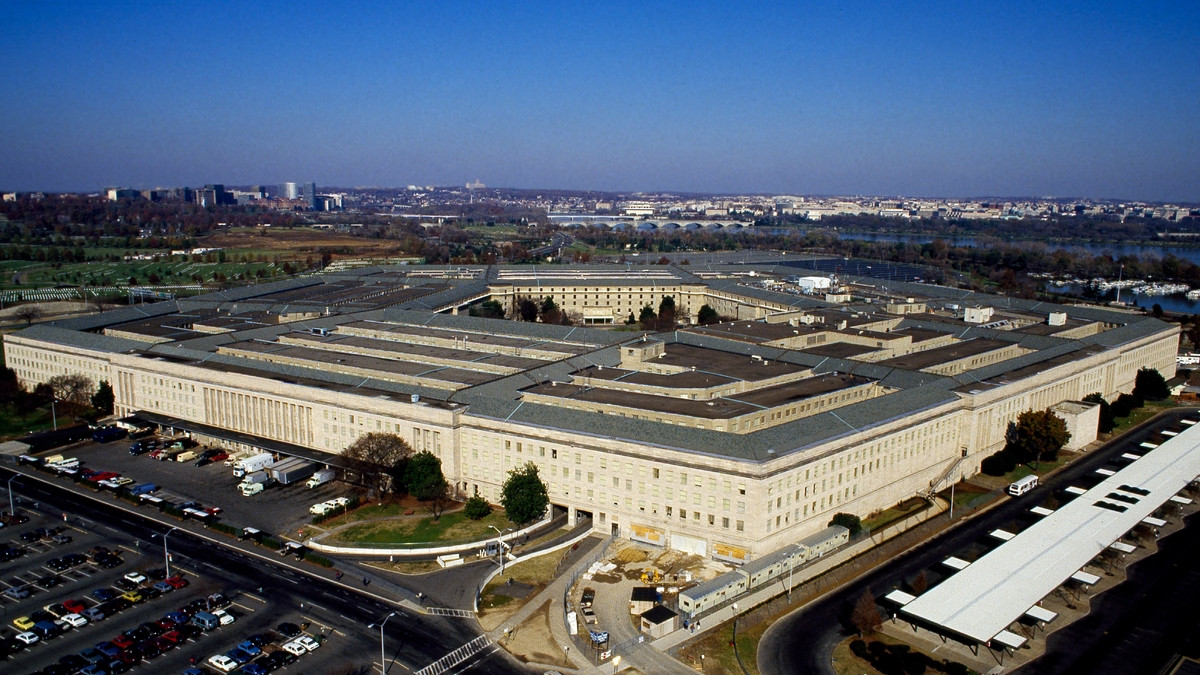
In a strategic pivot that redefines the intersection of military infrastructure and industrial policy, the US Army has agreed to host a commercial rare earth plant on one of its own bases. The non-binding term sheet, signed with the company REall, allows for a lease that could extend beyond the year 2100, signaling a long-term commitment to domestic production of critical minerals. This is not a minor logistical adjustment; it is a fundamental restructuring of how the United States secures the materials necessary for advanced defense systems, from fighter jets to precision-guided munitions. By placing the plant on military land, the government ensures security and operational efficiency, while simultaneously sending a clear signal to global markets that the US intends to reduce its dependence on Chinese supply chains.
The underlying tension driving this decision is the vulnerability of the US defense industrial base to geopolitical shocks. For years, China has controlled the majority of the world's rare earth processing capacity, giving it leverage in trade disputes and strategic negotiations. The US military's reliance on these materials for its most advanced technologies created a critical weakness, exposed during recent supply chain disruptions. The decision to host the plant on a military base reflects a recognition that rare earths are not just commodities but strategic assets, akin to oil or uranium. The institutional friction between the Department of Defense and commercial interests has been resolved in favor of national security, prioritizing domestic control over market efficiency.
The tangible outcome of this move is the potential to reshape the global rare earth market. By establishing a domestic processing capability, the US can reduce its exposure to price manipulation and supply cuts by China. This will likely encourage other nations to invest in their own rare earth infrastructure, leading to a more fragmented and competitive global market. For the US defense industry, the benefit is immediate: a more secure and predictable supply of critical materials. However, the long-term impact will depend on the plant's ability to operate profitably and scale up production. If successful, this move could mark the beginning of a new era in US industrial policy, where strategic autonomy is prioritized over global economic integration.
Comments 0