US Army Redefines Combat Roles with New Robotics Technician Corps
The US Army is introducing a specialized corps of robotics technicians, a move that signals a fundamental shift in battlefield autonomy and the human role in modern warfare. This initiative aims to address the growing complexity of drone and autonomous systems, ensuring that soldiers are not just operators but adapters to rapidly evolving technological threats.
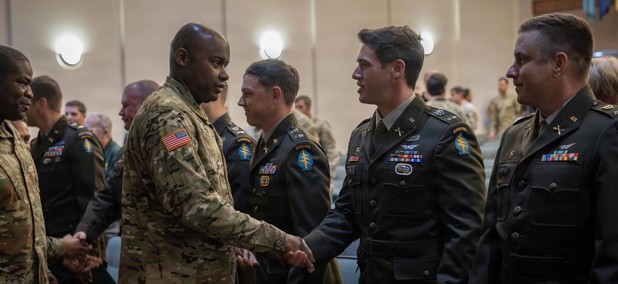
The US Army's decision to create a dedicated corps of robotics technicians marks a moment in the evolution of modern combat. This move acknowledges that the battlefield of the future will be defined by the interplay between human decision-making and machine autonomy. The new role is not merely about maintaining equipment but about constant adaptation, as soldiers must be able to troubleshoot, reprogram, and integrate autonomous systems in real-time. This shift reflects a broader recognition that the speed of technological change on the battlefield will outpace traditional military training and doctrine.
The underlying tension in this transition is the potential for a disconnect between the human soldier and the technological tools they wield. As autonomous systems become more prevalent, the risk of over-reliance on technology increases, potentially eroding the soldier's situational awareness and decision-making capabilities. The institutional friction here is between the desire for technological superiority and the need to maintain human control and ethical oversight. The Army must navigate this balance, ensuring that the new technicians are not just mechanics but strategic assets capable of making critical judgments in high-stress environments.
The downstream consequences of this initiative will be felt in the structure of military units and the nature of combat itself. The integration of robotics technicians into frontline units will likely lead to more agile and adaptable forces, capable of responding to a wide range of threats. However, it also raises questions about the accountability and liability of autonomous actions. The tangible outcome will be a more technologically sophisticated military, but one that must grapple with the ethical and operational challenges of delegating critical decisions to machines.
Comments 0