U.S. Military Guides Saudi Tankers Through Hormuz as Tensions Heighten
The United States Navy announced coordinated escort of Saudi Arabian oil tankers navigating the Strait of Hormuz amid escalating regional hostilities. The operation underscores the strategic importance of the waterway for global energy supplies. American officials indicated that the escorts are a temporary measure to ensure safe passage while diplomatic efforts seek to de‑escalate the underlying conflict. The move has prompted reactions from regional powers, each assessing the implications for their own maritime security postures. Analysts warn that prolonged naval involvement could reshape shipping routes, affect oil price volatility, and influence future naval procurement decisions across the Gulf.
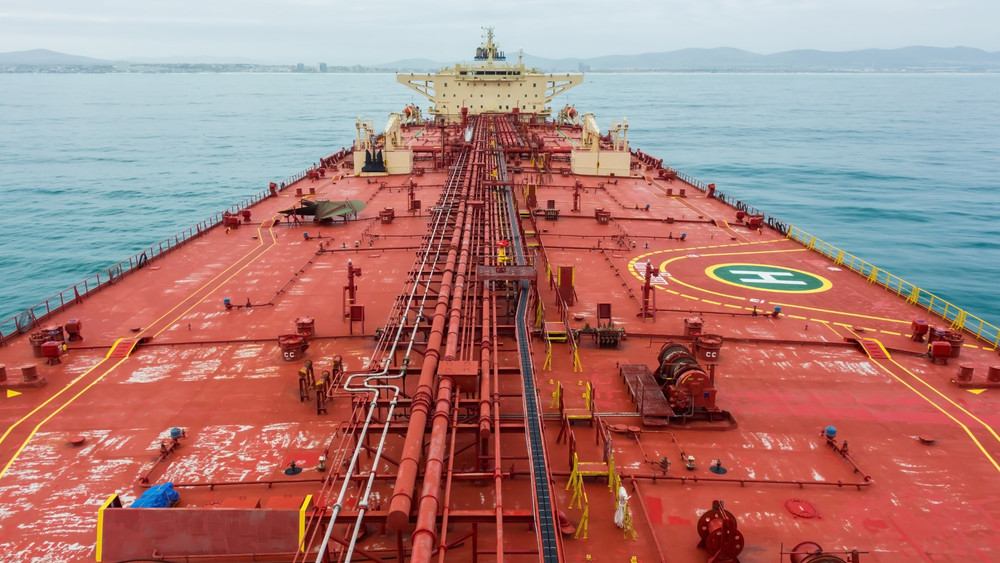
The coordination effort, disclosed by senior officials at the U.S. Central Command, involved a fleet of destroyers and aerial surveillance assets that shepherded a convoy of Saudi-owned tankers through the narrow chokepoint. The decision was taken after intelligence reports flagged an increased risk of missile activity from hostile actors operating in the vicinity of the strait, a critical artery through which roughly a fifth of the world’s petroleum passes daily. By providing a protective umbrella, the United States aimed to avert any disruption that could reverberate through global markets.
Underlying tension arises from a confluence of geopolitical frictions, including ongoing disputes over maritime boundaries, the recent escalation of proxy conflicts in the region, and the broader contest for influence between major powers. Saudi Arabia, heavily dependent on uninterrupted oil exports, welcomed the escort as a reassurance of its commercial lifeline, while Iran denounced the presence of foreign warships as an infringement on its sovereign waters. Regional allies such as the United Arab Emirates and Oman have expressed cautious support, emphasizing the need for collective security mechanisms that respect international law.
The downstream consequences of sustained naval escort operations could be profound. Shipping companies may adjust routing strategies, opting for longer but perceived safer passages, thereby increasing freight costs and influencing oil price dynamics. Moreover, the visible U.S. commitment may prompt Gulf states to accelerate naval modernization programs, seeking greater self‑reliance in maritime defense. In the longer term, the episode could catalyze diplomatic initiatives aimed at establishing a multilateral framework for the security of the Strait, potentially reshaping the strategic architecture of the Persian Gulf.
Comments 0