US Pullout Leaves ISIS Threat Unresolved in Iraq and Syria
The United States' decision to withdraw its remaining troops from Iraq and Syria has left a security vacuum that regional partners must now fill. Analysts warn that without American presence, the Islamic State could regain operational footholds.
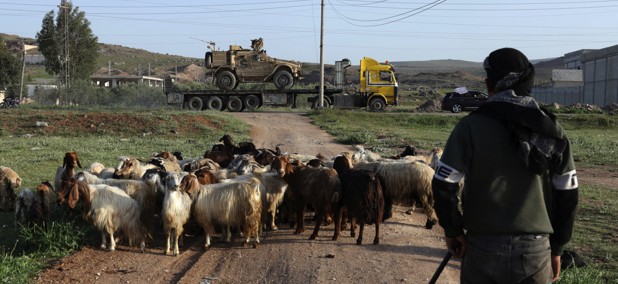
The concrete rupture materialised when the Pentagon announced the final departure of combat forces from the two theatres, ending a two‑decade military engagement. The move was framed as a shift toward diplomatic solutions, yet the immediate effect was the removal of a stabilising presence that had conducted joint patrols, intelligence sharing, and targeted strikes against insurgent cells. Local militias and national armies were left to assume responsibilities for vast swathes of territory previously overseen by U.S. advisors.
Underlying tension revolves around the capacity of Iraqi and Syrian forces, as well as Kurdish groups, to maintain pressure on ISIS remnants. Funding shortfalls, fragmented command structures, and lingering political mistrust impede coordinated action. Moreover, neighboring Iran and Turkey view the withdrawal as an opportunity to expand their own influence, adding layers of geopolitical competition that could distract from counter‑terrorism priorities.
Downstream casualties may manifest as a resurgence of terrorist attacks, both within the region and abroad, as ISIS seeks to exploit the reduced surveillance. Humanitarian agencies caution that renewed instability could displace millions, straining already fragile refugee systems. The strategic gap also forces NATO allies to reconsider their own engagement policies, potentially prompting a recalibration of collective security commitments.
Comments 0