U.S. Shale Producers Retain Caution Despite Surge in Oil Prices
Major American shale firms have limited new drilling activity even as Brent and WTI prices rose sharply. Their restraint reflects concerns over market stability and regulatory pressures.
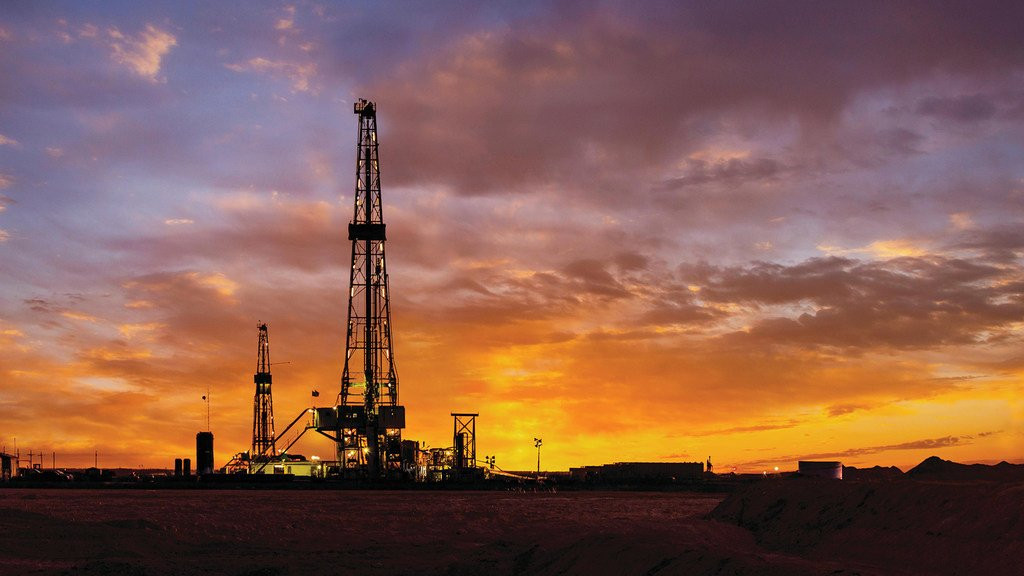
The concrete rupture is evident in the quarterly reports of the nation's largest shale operators, which reveal a modest increase in capital spending but a continued reluctance to launch extensive drilling programmes. Despite a $20‑per‑barrel rise in WTI compared with the previous year, these companies have opted to preserve cash reserves, citing uncertainty over demand recovery and potential policy shifts regarding carbon emissions.
Underlying this caution is a tension between investor expectations for higher returns and the companies' assessment of long‑term market dynamics. Regulatory scrutiny over hydraulic fracturing, coupled with volatile price forecasts, has prompted senior executives to adopt a measured approach. Smaller independent producers, however, have begun to test the waters, seeking niche opportunities in less regulated basins, thereby creating a subtle competitive shift within the sector.
The downstream consequences may include a slower expansion of domestic oil supply, which could keep national fuel prices elevated despite the recent price surge. Moreover, the restrained drilling activity may influence employment trends in oil‑rich regions, limiting job growth in drilling services and related industries. Analysts anticipate that if price volatility persists, the sector may experience a prolonged period of subdued capital investment, reshaping the United States' position in the global energy market.
Comments 0