Uttar Pradesh Alliance Talks: Samajwadi Party Offers 24 Seats to Congress
The Samajwadi Party has reportedly offered 24 assembly seats to the Congress in pre-poll negotiations, a move that signals a strategic realignment in the state's political . This offer sets the stage for a complex bargaining process that will determine the viability of a unified opposition front against the ruling party.
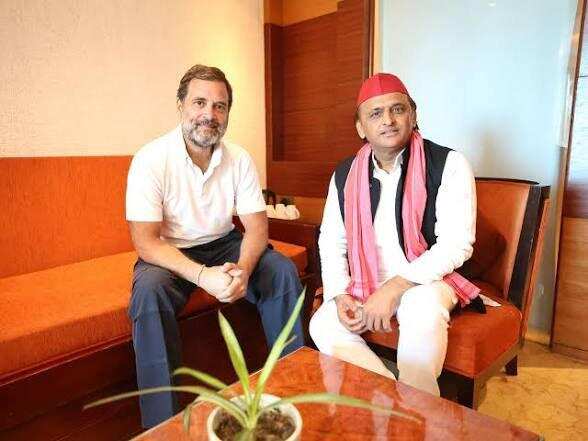
The concrete rupture in Uttar Pradesh's political dynamics is the reported offer by the Samajwadi Party to allocate 24 assembly seats to the Indian National Congress. This specific numerical proposal moves the conversation from vague coalition talk to tangible electoral strategy, indicating that the SP is willing to cede a significant portion of its traditional stronghold to secure a broader alliance. The decision reflects a calculated assessment of electoral viability, where the SP recognizes that a standalone campaign may not be sufficient to dislodge the incumbent government.
The underlying tension stems from the historical friction between the SP and Congress, two parties that have often competed for the same voter base in the state. The institutional friction here is not merely about seat distribution but about the division of labor in the campaign, the allocation of resources, and the management of internal party dynamics. The Congress will likely have to bargain hard for the remaining seats, as the SP aims to retain control over key constituencies where it has a strong organizational presence. This negotiation process will test the limits of inter-party trust and the ability of both organizations to subordinate their individual ambitions to a collective goal.
The downstream consequence of this alliance, if it materializes, will be a fragmented but potentially powerful opposition force. The tangible outcome for voters will be a choice between a unified ruling party and a coalition that may struggle with internal coordination. For the SP, the risk is that by offering seats, it may alienate its core base, while for the Congress, the opportunity is to expand its footprint in a state where it has historically underperformed. The 12-month structural consequence will be a reshaping of the state's political map, with the potential for a hung assembly that requires post-poll alliances to form a government.
Comments 0