Uttar Pradesh Announces Voter Enrolment Camps Ahead of 2027 Assembly Elections
The state government will conduct voter enrolment drives in offices and housing societies to boost the electoral roll before the 2027 assembly polls. The initiative seeks to expand participation and solidify the ruling party's outreach. Officials anticipate that the camps will simplify registration, particularly for first‑time voters and migrants, thereby reshaping the demographic composition of the electorate. The move also reflects a strategic effort to pre‑empt opposition mobilisation by securing a broader base of supporters. If successful, the expanded roll could influence campaign dynamics, resource allocation, and ultimately the electoral outcome in one of India's most populous states.
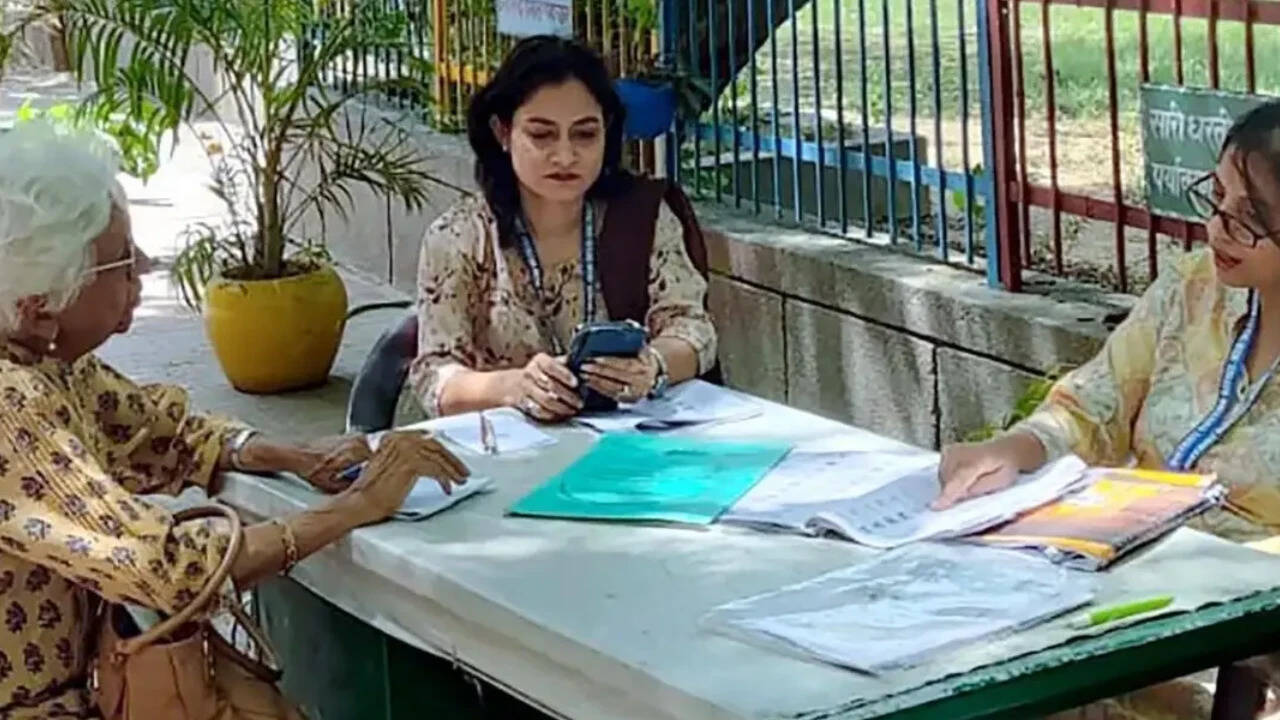
The Uttar Pradesh administration unveiled a schedule of enrolment camps to be held across municipal offices, corporate headquarters, and residential complexes. By bringing the registration process to workplaces and community hubs, officials aim to lower logistical barriers that have historically deterred eligible citizens from enrolling. The state, which commands a significant share of the national electorate, views the initiative as a means to reinforce democratic participation while simultaneously consolidating its political foothold.
The enrolment drive targets a diverse cross‑section of the population, including young adults reaching voting age, internal migrants returning to their native districts, and women who have previously faced social constraints on political engagement. Election officials have pledged to deploy portable biometric devices and multilingual assistance to ensure a smooth registration experience. The campaign is being marketed as a civic duty, with state leaders emphasizing the importance of an inclusive electoral roll for the legitimacy of forthcoming contests.
The strategic timing of the camps, set well before the 2027 assembly elections, could reshape the political calculus for all parties. A larger, more representative voter base may dilute the impact of traditional vote‑bank politics, compelling candidates to broaden their policy platforms. Additionally, the ruling party may leverage the enrolment data to fine‑tune its outreach, allocating resources to regions where newly registered voters are concentrated. The long‑term effect could be a more competitive electoral environment in Uttar Pradesh, with implications for national power dynamics.
Comments 0