Uttar Pradesh Carpet Belt Gains Momentum as Global Export Hub
The carpet‑producing corridor spanning Bhadohi, Mirzapur and Varanasi is emerging as a significant source of foreign exchange, attracting attention from international buyers. The surge promises job creation but also raises concerns about labor standards.
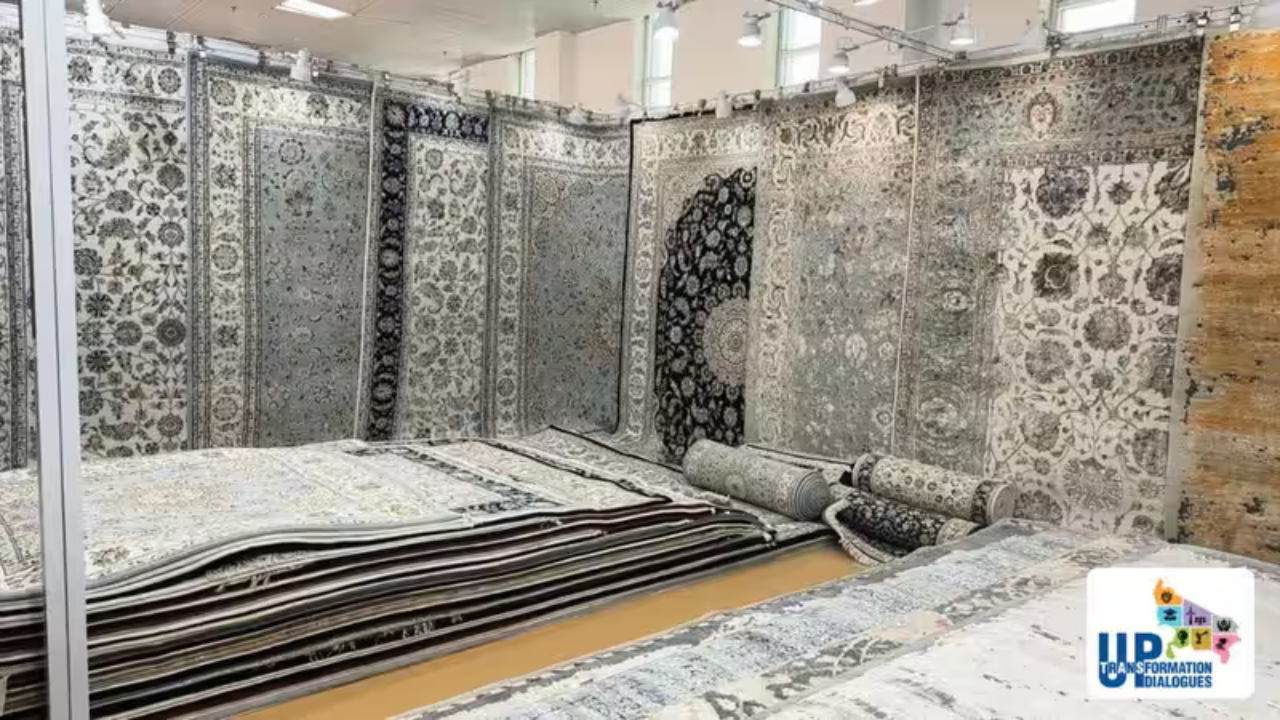
The concrete rupture of the region’s economic profile was evident when trade data released by the Uttar Pradesh Handloom Board showed a 27 percent increase in carpet exports over the past twelve months, with shipments reaching markets in Europe, the United States and the Middle East. The report highlighted that the Bhadohi‑Mirzapur‑Varanasi cluster now accounts for more than half of India’s total carpet output, positioning the area as a node in the global supply chain for handcrafted floor coverings.
Underlying tension arises from the rapid scaling of production, which has strained traditional artisanal practices and prompted calls for modernization. While large manufacturers invest in mechanized looms to meet rising demand, smaller workshops fear marginalisation and loss of heritage techniques. Labor unions have warned that the push for higher output may compromise wages and working conditions, especially for women who constitute the majority of the workforce. Government incentives, including tax breaks and export subsidies, have further accelerated growth, but critics argue that regulatory oversight has not kept pace.
The downstream casualties and tangible outcomes include a notable rise in employment opportunities, with estimates suggesting the creation of over 30,000 new jobs in the next two years. However, the influx of foreign orders also exposes the sector to volatile global demand cycles, making it vulnerable to economic downturns abroad. Environmental concerns have surfaced as increased dye usage threatens local water sources, prompting NGOs to advocate for greener production methods. The sector’s trajectory will likely hinge on balancing export ambitions with sustainable labor and ecological practices.
Comments 0