Uttar Pradesh Streamlines Electoral Infrastructure with Massive Booth Rationalisation
The Election Commission of India has approved the removal of 3,786 polling booths across 403 constituencies in Uttar Pradesh. This rationalisation aims to improve efficiency and reduce costs, but it raises concerns about accessibility for voters in remote and marginalized areas.
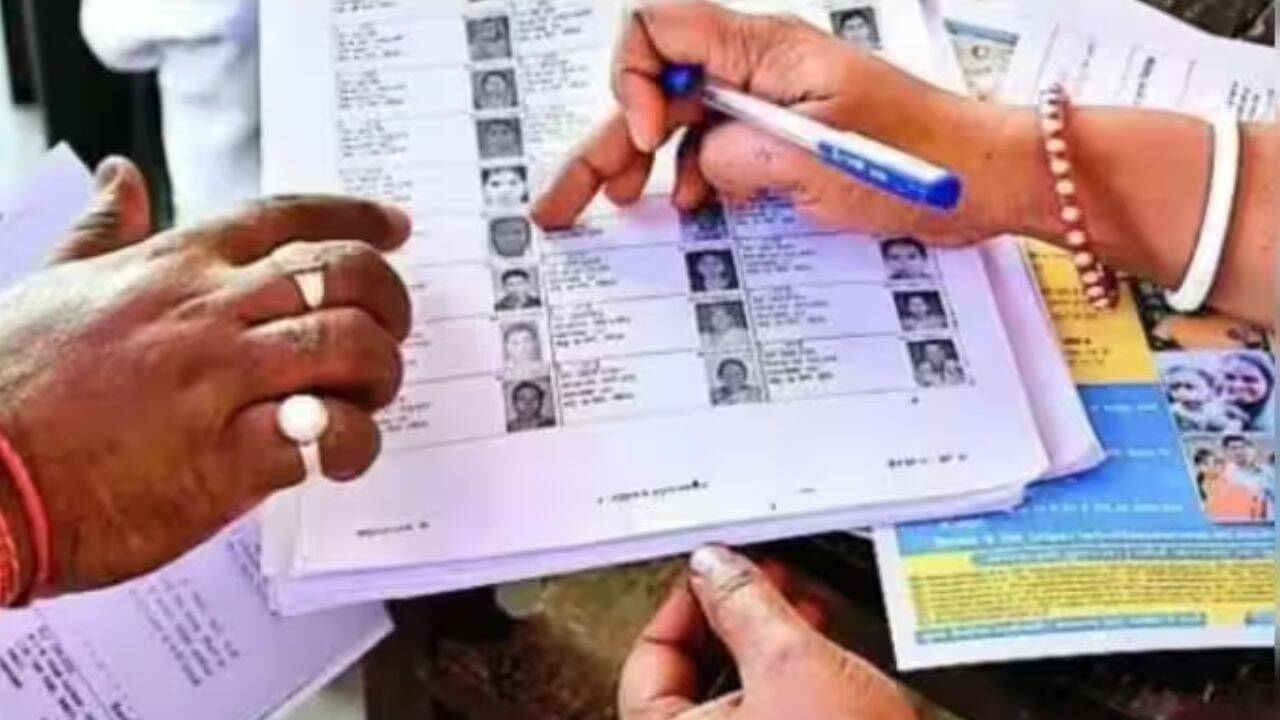
The Election Commission of India has taken a significant step in streamlining the electoral process in Uttar Pradesh by approving the rationalisation of polling booths. The decision involves the removal of 3,786 booths across 403 constituencies, a move intended to enhance the efficiency of the election machinery and reduce logistical costs. The rationale behind this decision is to consolidate polling stations in areas where voter turnout is low or where the existing infrastructure is underutilised. This rationalisation is part of a broader effort to modernise the electoral process and make it more manageable for the commission. However, the move has also raised concerns about the impact on voters, particularly those in remote or marginalized communities who may face difficulties in reaching the consolidated polling stations.
The underlying tension in this decision reflects the balance between administrative efficiency and voter accessibility. The Election Commission is tasked with ensuring free and fair elections, but it must also manage the logistical challenges of conducting elections in a vast and diverse state like Uttar Pradesh. The rationalisation of polling booths is a pragmatic response to these challenges, but it requires careful planning to ensure that it does not disenfranchise any section of the electorate. The institutional friction here lies in the need to balance cost-cutting measures with the fundamental right to vote. The commission must ensure that the consolidation of booths does not create barriers for voters, particularly those who are elderly, disabled, or live in remote areas.
The immediate outcome of this decision is a more streamlined electoral infrastructure in Uttar Pradesh, which is likely to improve the efficiency of the election process. For the Election Commission, it represents a step towards modernisation and cost-effectiveness. For voters, the impact will depend on how well the consolidation is managed. If the new polling stations are accessible and well-equipped, the move could enhance the voting experience. However, if the consolidation leads to longer travel distances or inadequate facilities, it could disenfranchise some voters. The downstream effect is a potential shift in voter behaviour, with some voters being more likely to participate if the process is made easier, while others may be discouraged if it becomes more difficult. This decision will be closely watched as a test of the commission's ability to balance efficiency with inclusivity.
Comments 0