Uttar Pradesh’s Tax Reform Leaves Petrol Pumps Exposed to Higher Property Levies
The Uttar Pradesh government’s proposed tax overhaul omits any property‑tax relief for petrol stations, raising concerns among fuel retailers about rising operating costs. The move is expected to tighten profit margins in a sector already facing volatile crude prices.
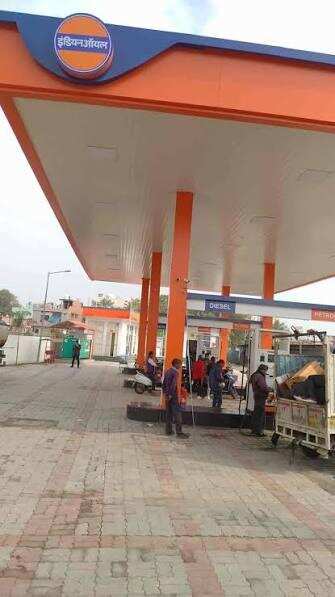
In the latest budget proposal, Uttar Pradesh announced a comprehensive tax reform that revises property‑tax calculations for commercial entities but explicitly excludes petrol pumps from any relief measures. The decision was outlined in a finance ministry briefing, where officials argued that the fuel retail sector already benefits from existing subsidies and that extending tax breaks would erode state revenue. As a result, owners of petrol stations across the state anticipate an increase in their annual tax burden, potentially adding several lakh rupees to operating expenses.
The exclusion has sparked a backlash from industry associations, which contend that the heightened tax pressure could force smaller, independent pumps to close or merge with larger chains. Analysts note that the policy may inadvertently accelerate consolidation in the fuel retail market, giving major oil companies greater leverage over pricing and distribution. Moreover, the reform arrives at a time when national crude oil prices are fluctuating, amplifying the financial strain on retailers who must balance tax obligations with volatile wholesale costs.
If the tax structure is implemented as planned, the sector could experience a measurable contraction in the number of active pumps, especially in rural districts where profit margins are thin. The reduced competition may lead to higher fuel prices for consumers, feeding into broader inflationary pressures across the state. Over the coming year, policymakers may be compelled to revisit the exemption criteria to mitigate adverse socioeconomic impacts.
Comments 0