Vedanta’s ₹80,000 Crore Bet on Bengal’s Industrial Revival
Chairman Anil Agarwal has proposed a massive ₹80,000 crore investment in West Bengal’s power and aluminium sectors, signaling a significant shift in the state’s industrial policy. This move aims to reposition the state as a major hub for heavy industry, challenging the existing economic geography of eastern India.
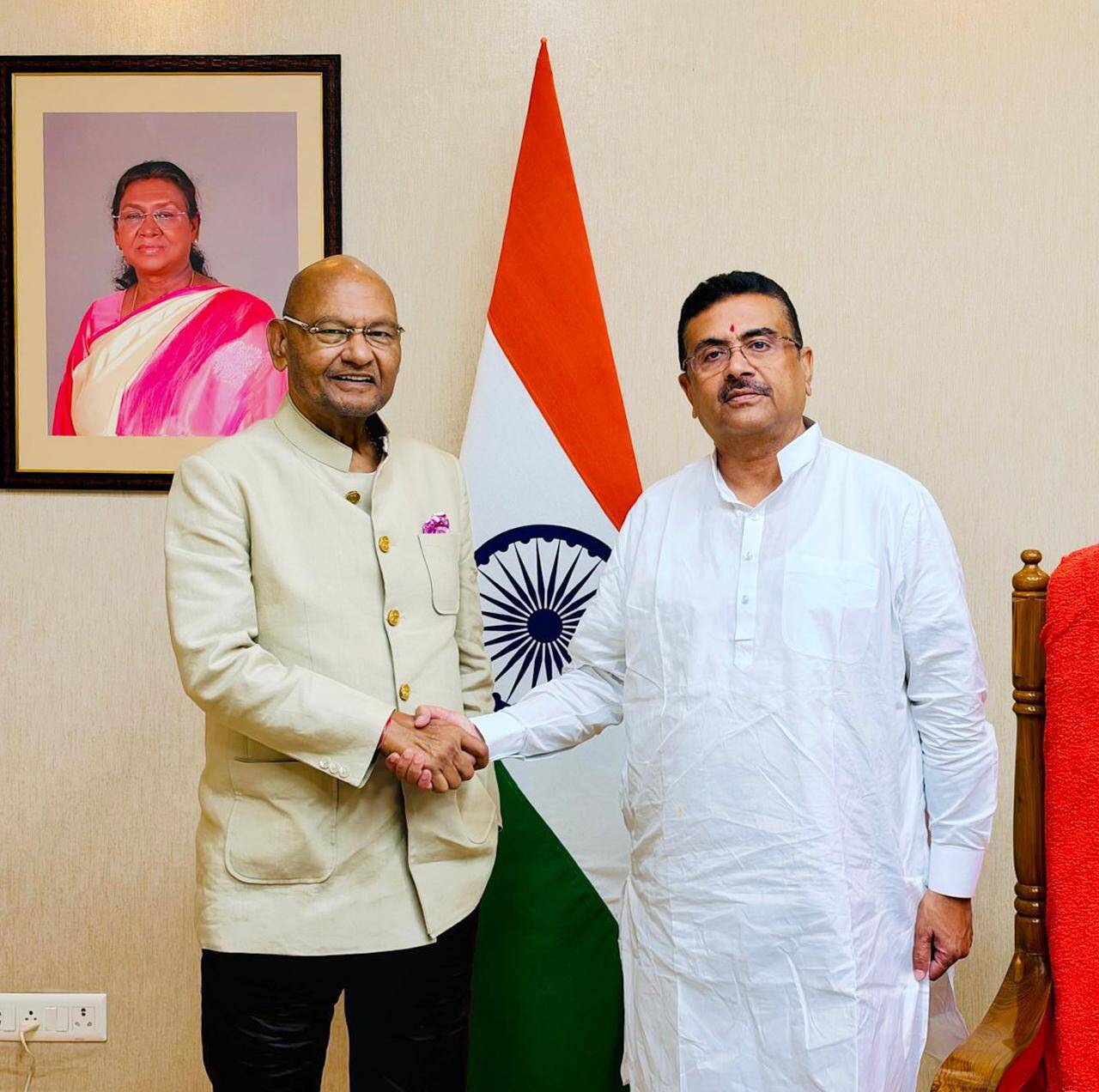
The proposal by Vedanta Group to invest ₹80,000 crore in West Bengal’s power and aluminium sectors represents a bold attempt to reshape the state’s economic trajectory. Chairman Anil Agarwal’s discussions with Chief Minister Suvendu Adhikari at Nabanna indicate a strategic alignment between corporate ambition and state-level policy, aiming to leverage Bengal’s existing industrial infrastructure and labor force. This investment, if realized, would be one of the largest private sector commitments in the state’s history, potentially creating thousands of jobs and boosting local supply chains.
The underlying tension lies in the environmental and social implications of such a large-scale industrial expansion. West Bengal has a history of protests against industrial projects, particularly those involving heavy metals and energy generation. The state government’s willingness to entertain this proposal suggests a shift in its approach to industrial policy, prioritizing economic growth over environmental concerns. This shift may face resistance from local communities and environmental groups, who have previously mobilized against similar projects in the state.
The downstream outcome of this investment could be a significant boost to West Bengal’s GDP and a reduction in its dependence on external energy sources. The expansion of the aluminium sector would also position the state as a key player in the global supply chain for this critical metal, which is essential for the renewable energy transition. However, the success of this project will depend on the government’s ability to manage the social and environmental fallout, ensuring that the benefits of the investment are distributed equitably among the local population.
Comments 0