Violence in Amritsar: Son of AAP Sarpanch Shot Dead, Exposing Punjab's Security Crisis
The assassination of Teerath Singh, son of an AAP sarpanch, outside a gurdwara in Amritsar has exposed the deepening security crisis in Punjab, where political rivals and drug networks are increasingly using violence to settle scores. The incident has triggered a fierce political backlash, with the BJP accusing the AAP government of failing to protect its own constituents.
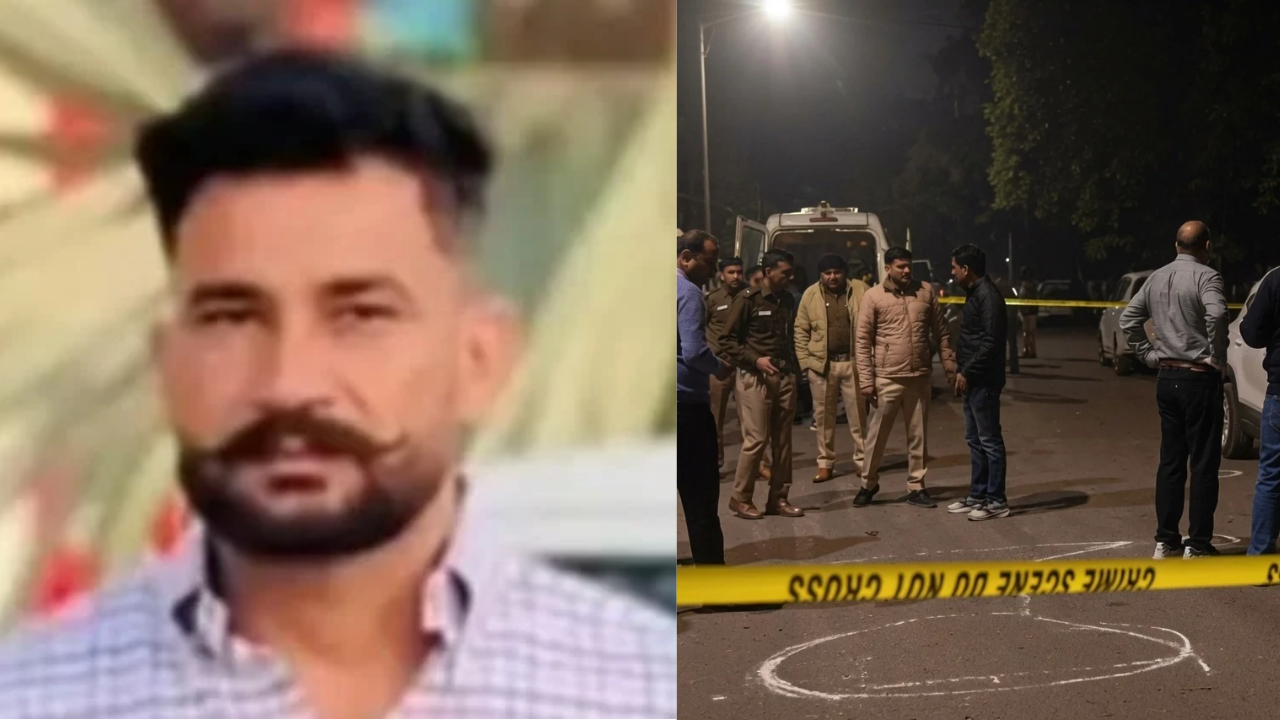
The shooting death of Teerath Singh in Cheete Kalan village, Amritsar, is a stark reminder of the lawlessness that has taken hold in parts of Punjab. Singh, who was returning from offering prayers at a gurdwara, was shot dead by suspected assailants, while his friend was injured. The victim's brother, Karaj Singh, alleged that the attack was linked to the family's vocal opposition to drug peddlers, highlighting the dangerous intersection of politics, crime, and local power structures. This incident is not an isolated event but part of a broader pattern of targeted killings and intimidation that has eroded public trust in the state's ability to maintain order.
The underlying tension in Punjab is the struggle for control between the state government, local political leaders, and criminal networks. The AAP government has faced criticism for its handling of the drug crisis and its inability to curb the influence of local strongmen who often operate with impunity. The political fallout from this incident is intense, with the BJP using it to attack the AAP's competence and integrity, arguing that the government cannot even protect its own supporters. This political polarization further complicates efforts to address the security crisis, as both parties are more focused on scoring political points than on implementing effective solutions.
The downstream consequence of this violence is a deepening sense of insecurity among the general population, who are increasingly becoming victims of the crossfire between political and criminal interests. This has led to a decline in social cohesion and a rise in self-help groups and private security, which further undermines the state's monopoly on the use of force. The tangible outcome is a more fragmented and unstable society, where the rule of law is perceived as weak and the threat of violence is a constant presence in daily life.
Comments 0