Virginia's Indian-American Seat Holds Firm Amidst Midterm Turmoil
Suhas Subramanyam has secured his re-election to the US House of Representatives from Virginia, a result that underscores the resilience of the Indian-American political bloc in a competitive district. His victory provides a stable anchor for the diaspora's influence in federal policy, particularly on issues of trade and technology.
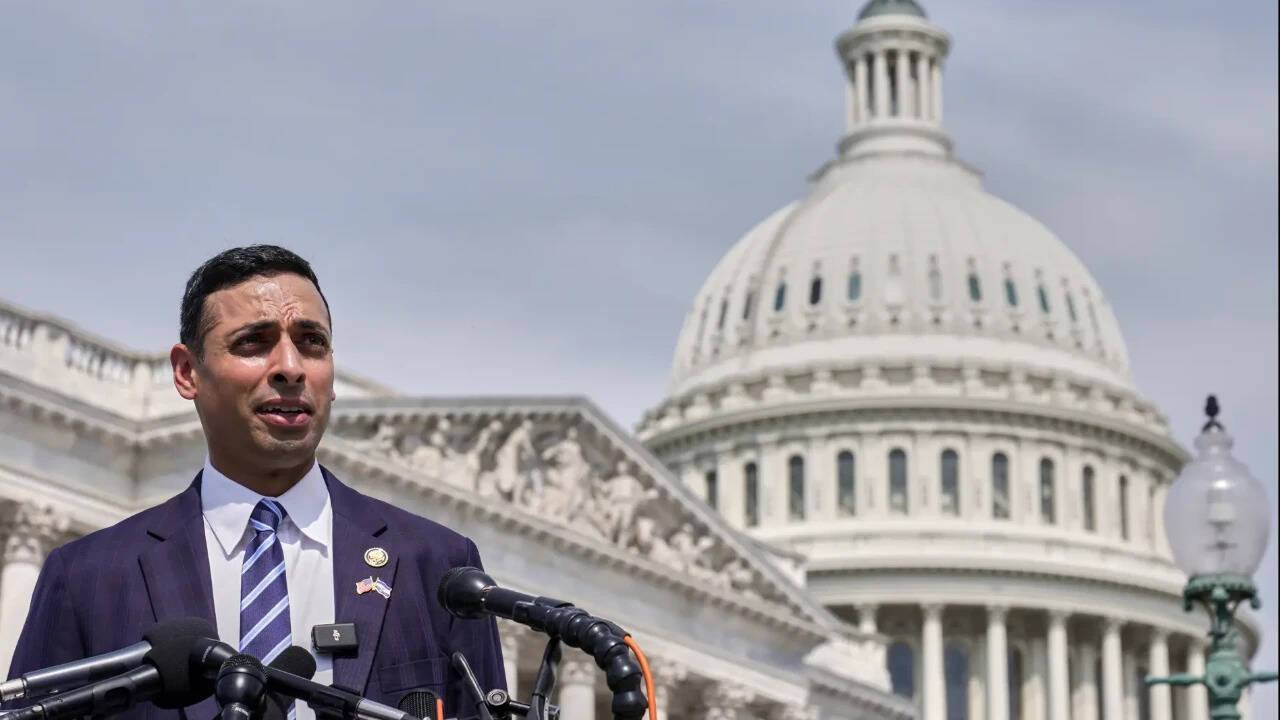
The re-election of Suhas Subramanyam in Virginia is a concrete affirmation of the political power held by the Indian-American community in the United States. In a district that has historically been a battleground, Subramanyam's ability to retain his seat signals a deepening of the electoral base that supports his candidacy. This outcome is not merely a personal victory but a reflection of the broader trends in diaspora engagement, where community organizations and local leaders have successfully mobilized voters around issues that resonate with both the diaspora and the wider electorate. The stability of his position allows for a continuity in representation that is for maintaining the community's voice in Congress.
The underlying tension in this race was the potential for a shift in the political that could have marginalized the interests of the Indian-American community. The midterm elections often bring about significant changes in the composition of the House, and there was a risk that a change in party control could lead to a reduction in the influence of diaspora groups on policy. However, Subramanyam's victory suggests that the community's political mobilization has been effective enough to insulate their interests from these broader shifts. The institutional friction here is between the national political narrative and the local, community-specific priorities that Subramanyam has championed.
The downstream impact of this re-election is a reinforced platform for the Indian-American community to engage with federal policy. With a secure seat in Congress, Subramanyam can continue to advocate for issues such as H-1B visa reforms, trade relations with India, and technology policy. The tangible outcome is a sustained channel of communication between the diaspora and the federal government, ensuring that the interests of the community remain on the legislative agenda. This stability also serves as a model for other diaspora groups seeking to establish a lasting political presence in the United States.
Comments 0