Voter or candidate has no right to get a seat reserved, says SC
The Supreme Court of India has ruled that neither voters nor candidates have a legal right to a reserved seat in local bodies. The court dismissed a petition challenging the government's recent amendment to the Panchayat Act.
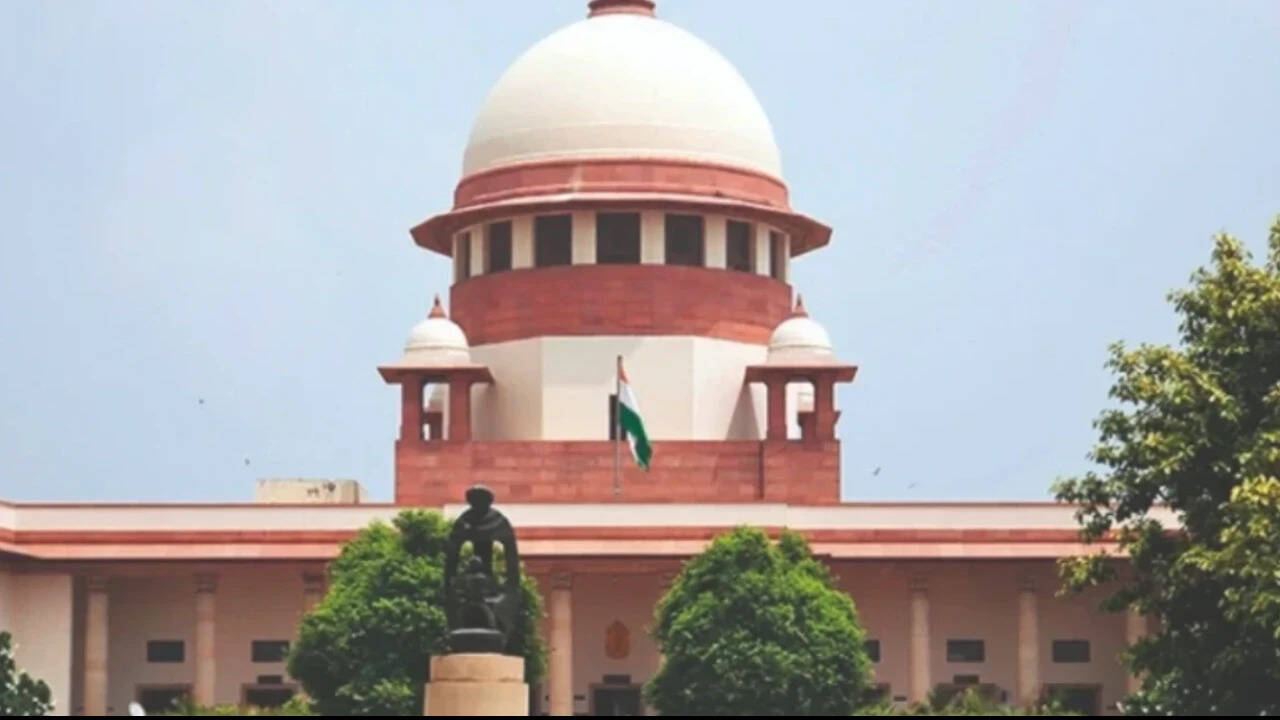
The Supreme Court of India has delivered a significant ruling regarding the reservation of seats in local self-governance bodies. The bench refused to entertain a petition that challenged the government's 2025 amendment to the Zilla Parishads and Panchayat Samitis Act, 1961. The core of the dispute centered on whether individuals, whether they are voters or candidates, possess an inherent right to a specific reserved seat. The court's decision clarifies the legal framework surrounding reservations in panchayati raj institutions, which form the grassroots level of democracy in India.
The judgment emphasizes that reservation is a policy tool designed to ensure representation for marginalized communities, not an individual entitlement. By rejecting the petition, the court reinforced the government's authority to modify reservation criteria through legislative amendments. This stance prevents legal challenges based on personal claims to specific seats, thereby maintaining the flexibility of the state to adjust reservation policies in line with demographic changes and social justice goals. The ruling is expected to have a lasting impact on how local elections are conducted and how reservation lists are managed.
For Indian readers, this decision is important because it affects the millions of citizens who participate in local governance. It clarifies that the right to vote and contest elections does not extend to a claim on a reserved category seat. This helps reduce legal disputes that often delay local elections and disrupt the functioning of panchayats. The ruling supports the stability of local governance structures by ensuring that reservation policies are implemented according to the law rather than individual interpretations of rights.
Comments 0